
Every morning, a flag rises over the place where modern Vietnam was born.
In the middle of Hanoi stands a vast open square surrounded by history, national monuments and beautifully maintained grounds. It may look like a peaceful public space, but every step across it carries a story.
This is Ba Dinh Square, where President Hồ Chí Minh declared Vietnam's independence in 1945.
Come to see the famous mausoleum. Stay for the flag ceremony, discover the landmarks nearby and understand why this square means so much to the Vietnamese people.
Here's how to make the most of your visit.
1. About Ba Dinh Square: The Heart of Modern Vietnam
Ba Dinh Square is one of the most important historical and ceremonial spaces in Vietnam.
Located in the Ba Đình district of Hanoi, the square sits in front of the Ho Chi Minh Mausoleum and forms part of a larger complex of important national landmarks.
It's a huge open space, with carefully maintained lawns, wide walkways and the Vietnamese national flag flying above it.
But its significance goes far beyond its appearance.
This is where Vietnam's declaration of independence was announced to the world.
On 2 September 1945, President Hồ Chí Minh stood before a huge gathering of people and read the Declaration of Independence, establishing the Democratic Republic of Vietnam.
That moment marked a turning point in the country's history.
Today, Ba Dinh Square remains a place for national ceremonies, commemorations and important public events. It is also a destination where Vietnamese families, school groups and international visitors come to learn about the country's past.
2. Ba Dinh Square: Where Vietnam's History Unfolds
To understand Ba Dinh Square, you need to go back to one extraordinary day.
2.1. 2 September 1945: The Declaration of Independence
Imagine a vast crowd gathering in the heart of Hanoi.
On 2 September 1945, following the end of Japanese occupation and the August Revolution, Hồ Chí Minh addressed the people from a platform at Ba Dinh Square.
He read the Declaration of Independence, announcing the birth of the Democratic Republic of Vietnam.
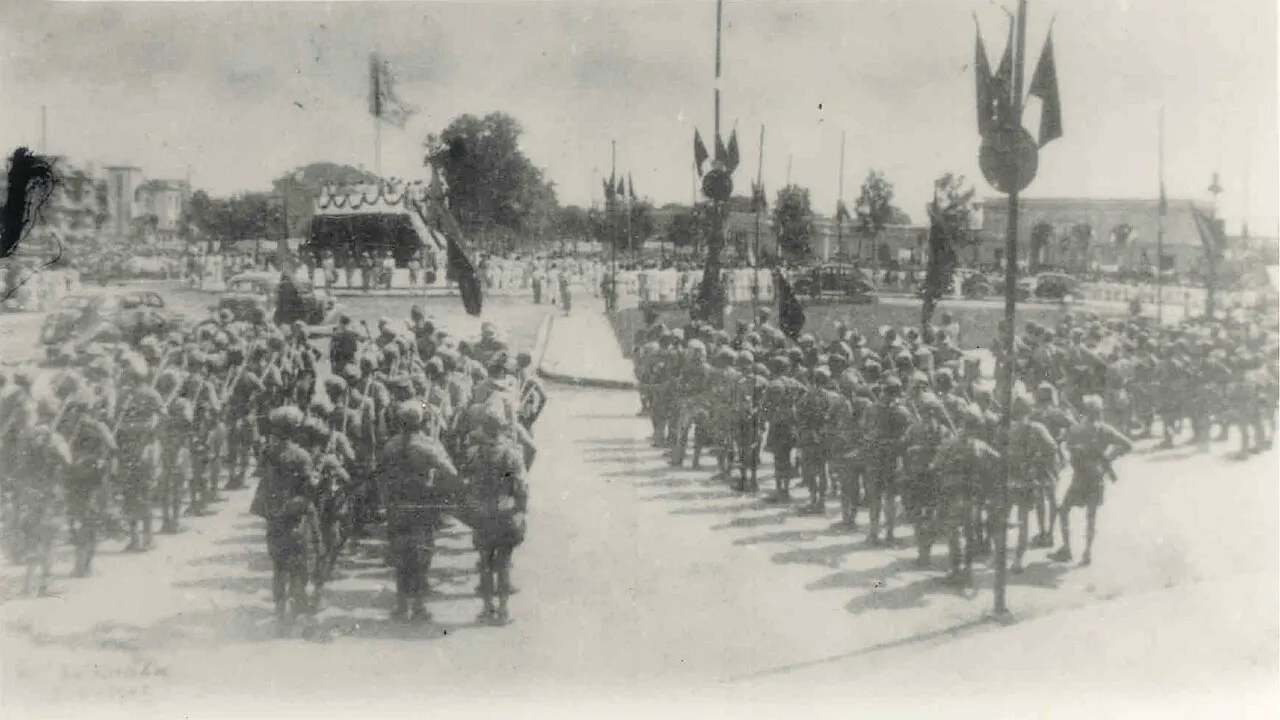
The declaration opened with the famous words:
"All men are created equal. They are endowed by their Creator with certain inalienable rights..."
It was a historic moment that continues to shape how Vietnam remembers its struggle for independence.
When you stand in the square today, you're standing on the ground where that announcement was made.
2.2. The Ho Chi Minh Mausoleum: A National Memorial
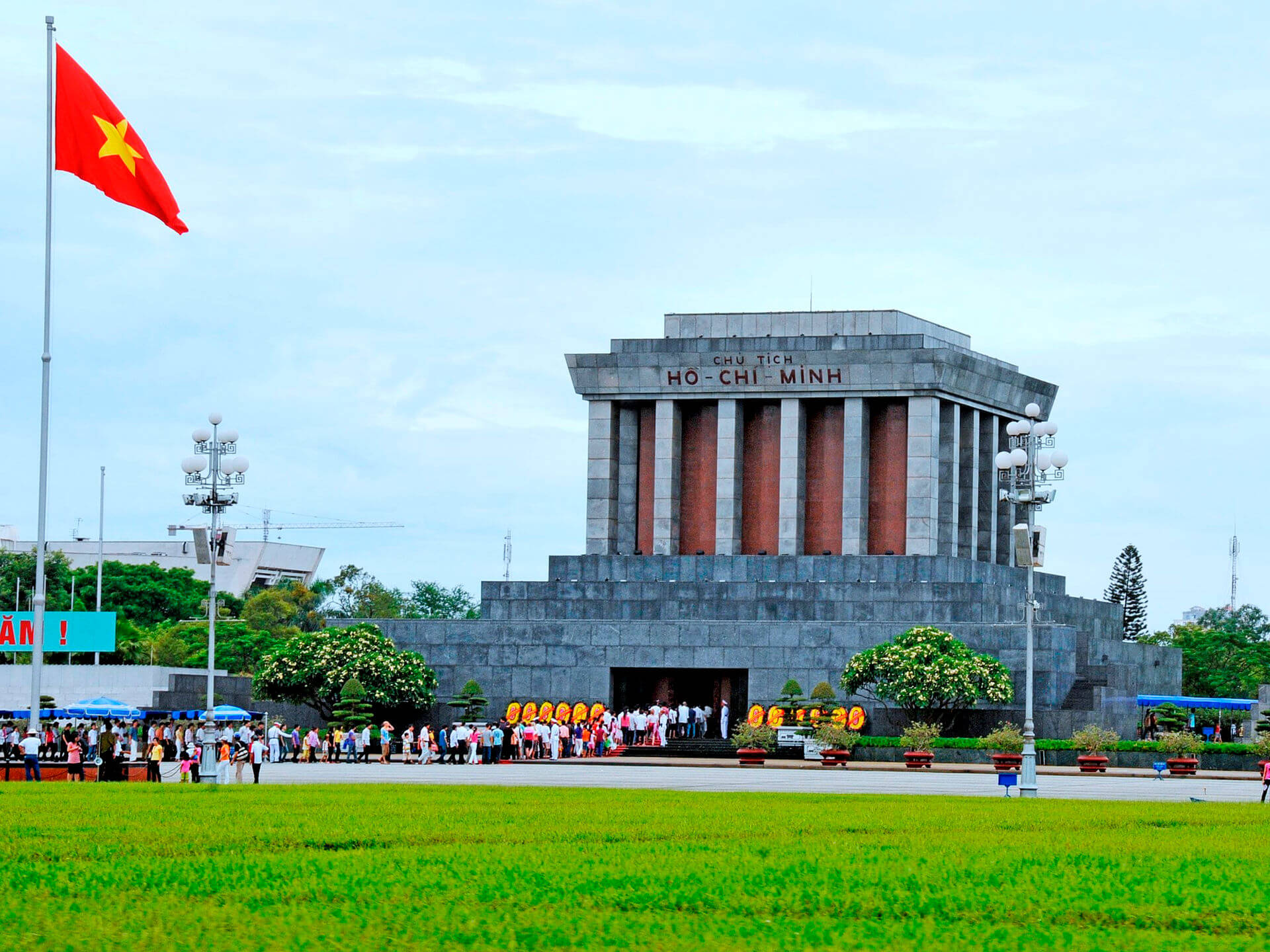
The monumental grey structure overlooking the square is the Ho Chi Minh Mausoleum.
Construction began in 1973, and the mausoleum was inaugurated in 1975. It was built to preserve the memory of President Hồ Chí Minh and became one of Vietnam's most significant national memorials.
The building's imposing granite exterior, broad steps and formal design create a powerful presence at the centre of the square.
Visitors can pay their respects inside during designated morning opening hours, subject to the official schedule.
Even if you don't enter, the mausoleum is worth seeing from the outside. Its scale and setting make it impossible to miss.
2.3. A Square That Still Plays an Important Role
Ba Dinh Square isn't simply a monument to the past.
It remains an active ceremonial space where national events, commemorations and important political occasions take place.
The broad central grounds are divided into carefully maintained sections of grass, with paths and open areas arranged around the flagpole and mausoleum.
It's a place where history isn't just remembered. It's still part of the country's public life.
3. The Flag-Raising and Flag-Lowering Ceremony 🇻🇳
If there's one experience worth planning your visit around, it's this.
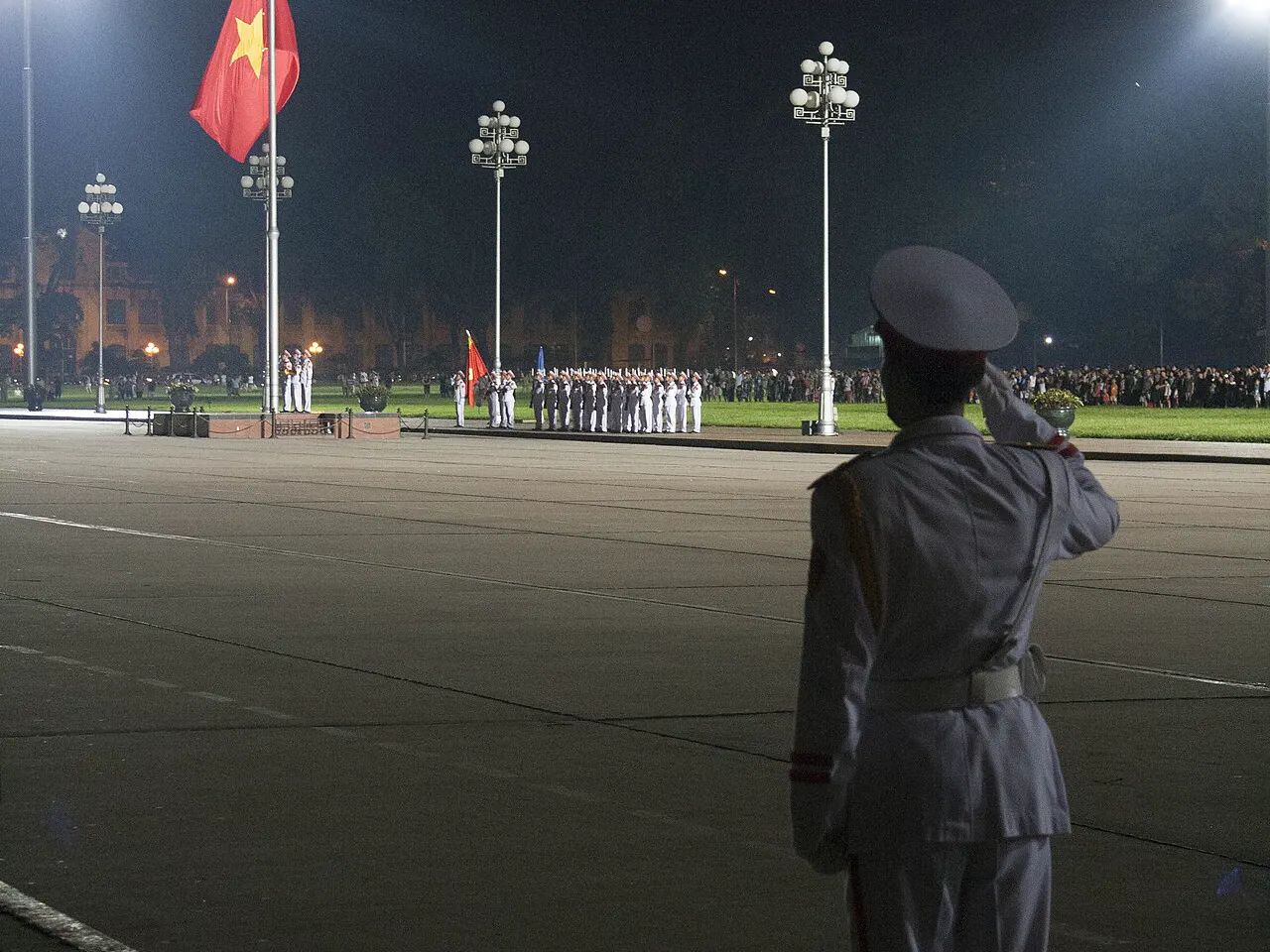
Every day, soldiers from the Ho Chi Minh Mausoleum Protection Command perform the national flag-raising ceremony at Ba Dinh Square.
The soldiers march in formation towards the flagpole. The national anthem plays, visitors stand respectfully and the red flag with its golden star rises above the square.
It's a simple ceremony, but the atmosphere is powerful.
When Does the Flag Ceremony Take Place?
There are two daily ceremonies:
| Ceremony | Time |
|---|---|
| Morning flag raising | 6:00 AM, April to October; 6:30 AM, November to March |
| Evening flag lowering | 9:00 PM |
The morning ceremony changes with the seasons, while the evening ceremony takes place at 9:00 PM.
Our tip: Arrive around 15 to 20 minutes early to find a suitable viewing position and avoid rushing.
What Should You Expect?
The ceremony is formal and disciplined.
You'll see the honour guard march in formation, hear the national anthem and watch the national flag rise or descend in a carefully coordinated ritual.
Visitors are expected to remain respectful throughout.
If you're interested in Vietnamese culture and national history, this is a memorable experience to witness.
4. 6 Places Near Ba Dinh Square You Should Visit
One of the best things about visiting Ba Dinh Square is how many important landmarks are concentrated around it.
You don't need to travel far to discover more of Hanoi's history.
4.1. Ho Chi Minh Mausoleum
You've already seen it overlooking the square. But if you'd like to pay your respects, you can visit the mausoleum during its designated opening hours.
The interior visit follows strict procedures, and visitors are expected to dress appropriately and remain quiet.
Opening days and hours can change seasonally, and the mausoleum closes periodically for maintenance. Check the latest announcement before planning your visit.
4.2. One Pillar Pagoda
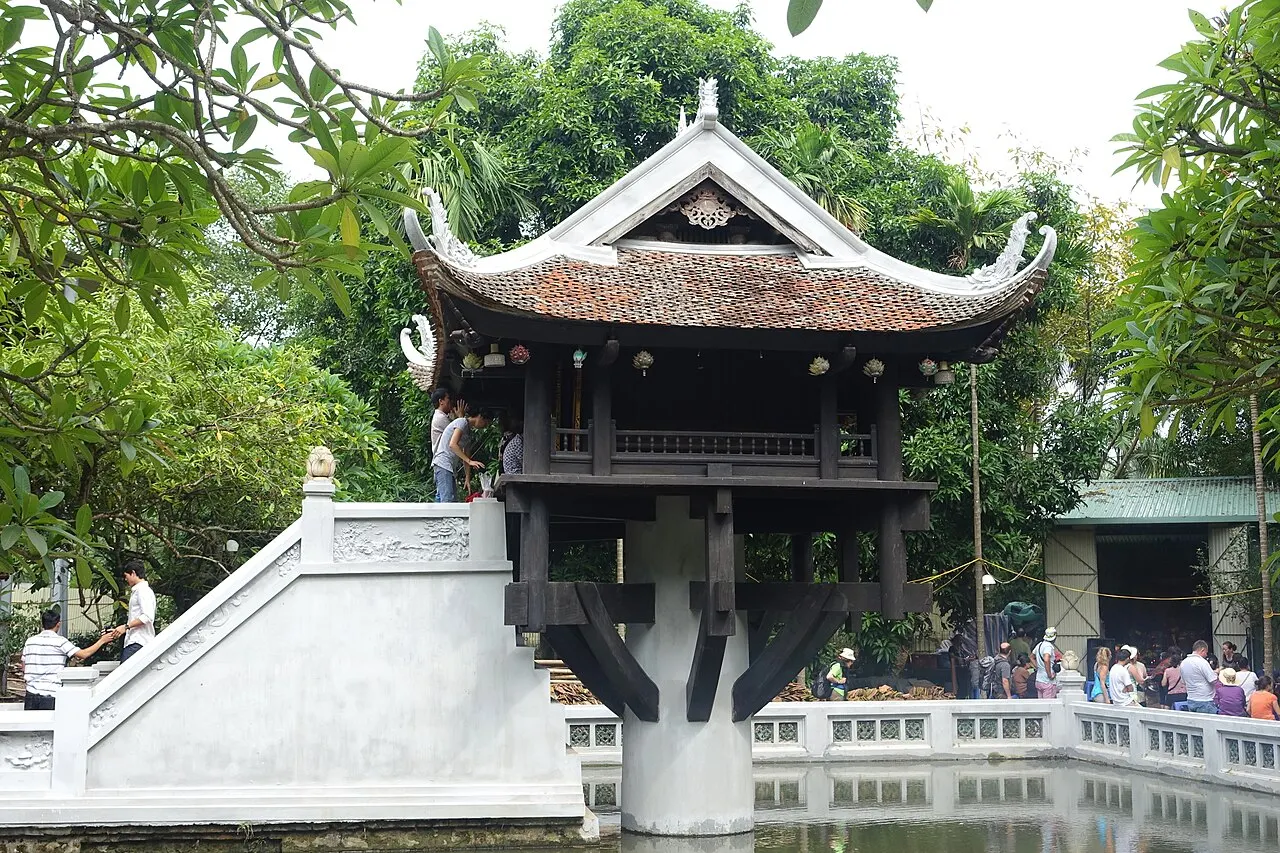
A pagoda that looks like a lotus flower rising from the water.
One Pillar Pagoda, or Chùa Một Cột, is one of Hanoi's most recognisable religious landmarks.
Originally built in 1049 under Emperor Lý Thái Tông, the small wooden structure stands on a single stone pillar in a lotus pond.
Its unusual design represents a lotus blossoming from the water, a symbol associated with purity in Buddhist tradition.
It's a short walk from Ba Dinh Square and well worth adding to your itinerary.
4.3. Ho Chi Minh Museum
Want to understand more about the man behind the country's independence declaration?
The Ho Chi Minh Museum presents photographs, documents, personal objects and historical displays about his life and Vietnam's revolutionary history.
It's a useful stop if you'd like more context after visiting the mausoleum and square. Allow extra time if you enjoy museums and historical exhibitions.
If you're planning to visit several museums in Hanoi, see our guide to the city's best museums.
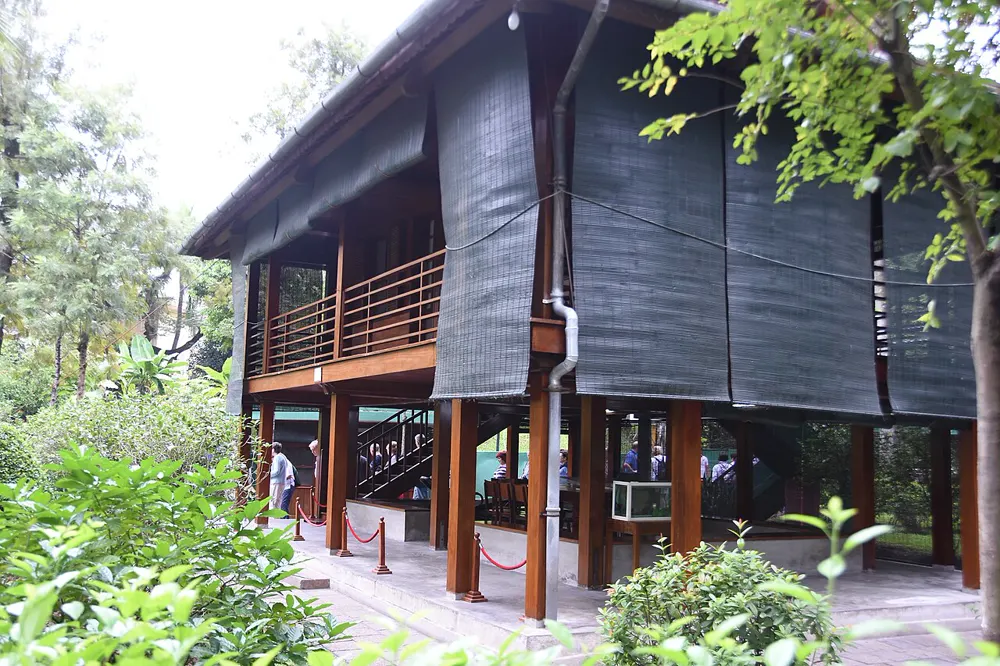
4.4. Presidential Palace and Ho Chi Minh's Stilt House
Here's an interesting contrast.
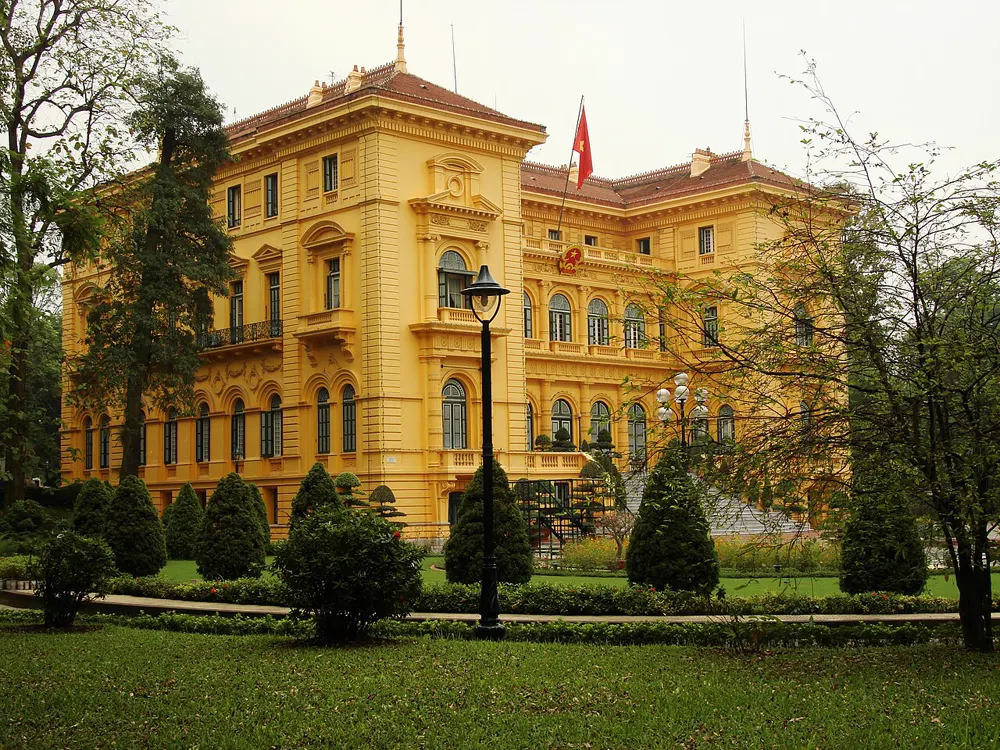
The grand yellow Presidential Palace was built during the French colonial period as the residence of the Governor-General of Indochina.
Nearby, Ho Chi Minh's Stilt House offers a much more modest setting.
Built in traditional Vietnamese stilt-house style, it was where Hồ Chí Minh lived and worked during part of his time as president.
The contrast between the grand colonial building and the simple wooden house is one of the most interesting details of the complex.
Visitors can explore the designated grounds, although access to the Presidential Palace itself is restricted.
4.5. Thang Long Imperial Citadel
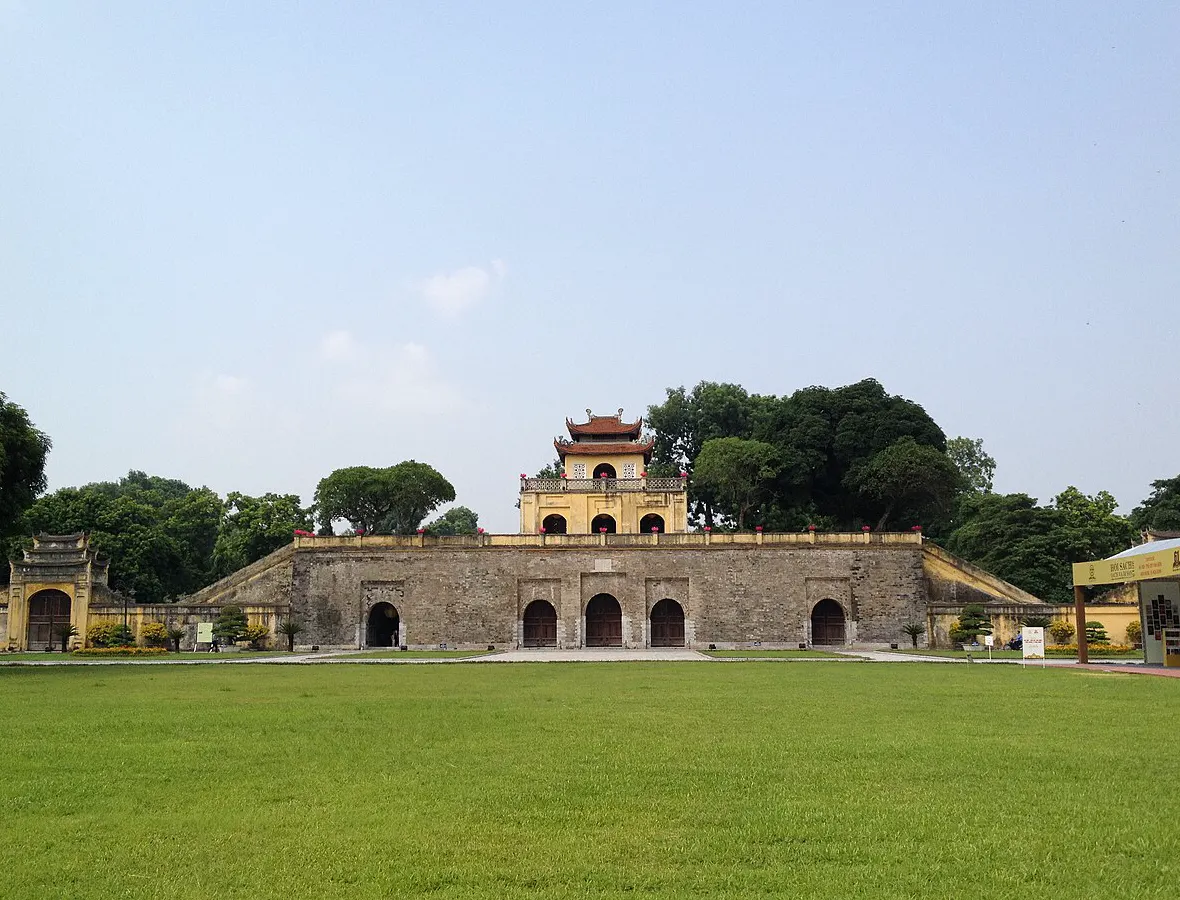
Ready to travel further back in time?
The Imperial Citadel of Thang Long was the political centre of Vietnam for many centuries.
Its history stretches back more than a thousand years, with archaeological remains, ancient foundations and historic structures revealing different periods of the capital.
It is also recognised as a UNESCO World Heritage Site.
If you enjoy history, this is one of the most rewarding places to explore in the Ba Dinh area.
4.6. Temple of Literature
A little further away, you'll find the Temple of Literature, one of Hanoi's most important historical and cultural landmarks.
Founded in 1070, it became home to Vietnam's first national university.
Walk through its traditional courtyards, admire the old architecture and discover the country's long tradition of scholarship and learning.
It's a lovely addition if you're planning a half-day of sightseeing around Hanoi's historical centre.
Want to go deeper into the stories behind these landmarks? Explore local experiences in Hanoi with Tuna.
Explore more Hanoi travel guides for temples, museums and neighbourhoods across the city.
5. How to Get to Ba Dinh Square
Ba Dinh Square is located on Hùng Vương Street in Ba Đình district, approximately 2 to 3 kilometres west of Hoàn Kiếm Lake.
There are several ways to get there.
By Grab or Taxi
The easiest option for most visitors.
Book a Grab car or taxi to Ba Dinh Square or the Ho Chi Minh Mausoleum entrance. The journey from the Old Quarter usually takes around 10 to 20 minutes, depending on traffic.
By Motorbike
If you're comfortable riding in Hanoi, a motorbike offers flexibility.
There are designated parking areas around the complex, but check the signs and follow local parking instructions.
By Public Bus
Several public bus routes serve the Ba Dinh area.
Routes and stops can change, so use a current transport app to find the most convenient connection from your starting point.
On Foot
If you're staying near the Old Quarter, walking is possible, although it can take around 30 to 40 minutes depending on your starting point.
The walk also gives you a chance to see more of Hanoi along the way.
6. Tips for Visiting Ba Dinh Square
Ba Dinh Square is different from an ordinary city park. It's a national memorial and ceremonial space, so there are rules visitors need to respect.
Here are a few things to remember.
- Arrive early: Morning is generally cooler, and you can combine the flag ceremony with nearby attractions.
- Dress respectfully: Wear modest clothing, especially if you plan to enter the mausoleum or other religious sites.
- Follow security instructions: Some areas have controlled access and designated walking routes.
- Don't wander onto restricted lawns or ceremonial areas: Follow barriers, signs and instructions from the guards.
- Keep your voice down: This is a place of national remembrance and ceremony.
- Bring water and sun protection: The square is very open, with limited shade in the central area.
- Check mausoleum schedules: The square and the mausoleum have different access arrangements. The mausoleum is not open all day.
- Allow enough time: Around 1 to 2 hours is a useful starting point for the square and nearby landmarks. A full complex visit can take half a day.
Is Ba Dinh Square Free to Visit?
Yes. Access to the outdoor square is generally free.
The square is generally accessible during the day, while the mausoleum has separate morning opening hours and security rules. Some nearby attractions and museums may have their own entrance fees. Always check the current ticket information before visiting.
7. After Exploring Ba Dinh, Discover Another Side of Hanoi at West Lake
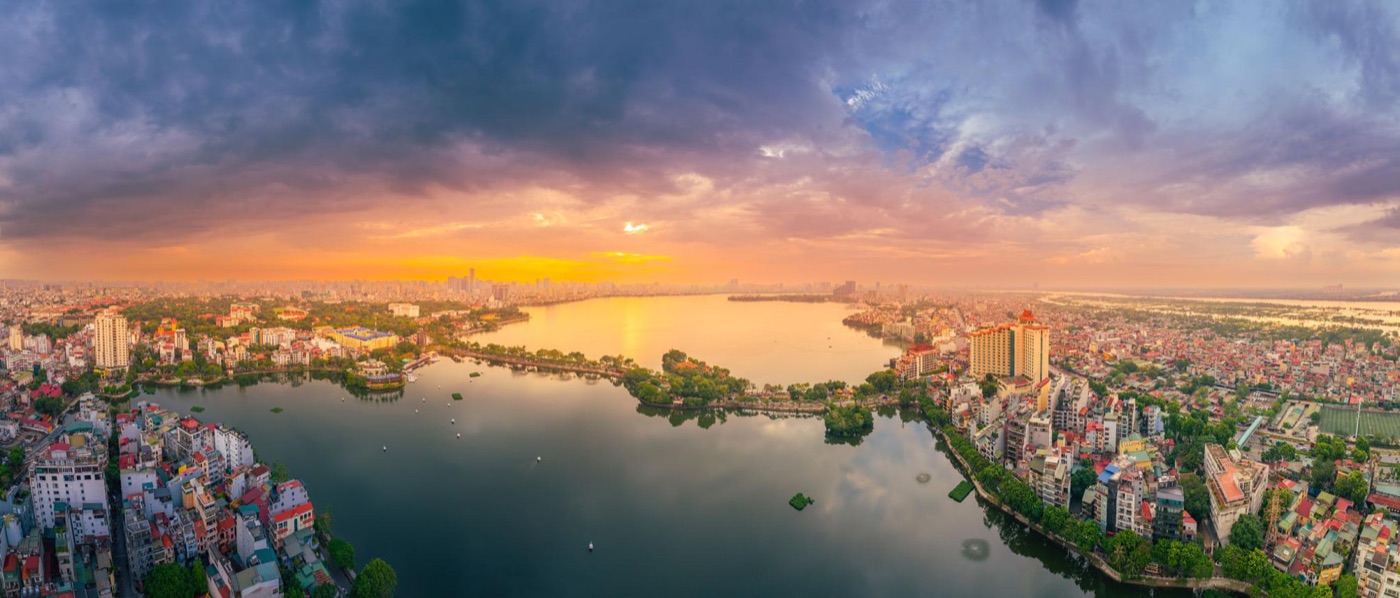
After a morning surrounded by Vietnam's history, it might be time for a change of pace.
Head towards West Lake.
The atmosphere feels different here. Instead of grand monuments and ceremonial spaces, you'll find open water, leafy neighbourhood streets, local cafés and restaurants overlooking the lake.
Take a walk along the waterfront, enjoy a Vietnamese coffee or visit Phủ Tây Hồ.
Ba Dinh introduces you to the history of Vietnam. West Lake lets you slow down and experience the everyday rhythm of Hanoi.
Discover the West Lake neighbourhood for lakeside cafés, local restaurants and quiet streets beyond the Old Quarter.
Make West Lake Your Home Base ❤️

If you're planning to explore more of Hanoi, Tây Hồ is a wonderful neighbourhood to stay in.
At Tuna Homestay, you'll find a welcoming place near West Lake, surrounded by cafés, restaurants and local experiences.
Spend the day discovering Hanoi's landmarks, temples and historic streets. Then return somewhere comfortable to relax and plan your next adventure.
Discover the history. Experience the local life. Feel at home at Tuna.
Frequently Asked Questions About Ba Dinh Square
What is Ba Dinh Square famous for?
Ba Dinh Square is famous as the place where Hồ Chí Minh declared Vietnam's independence on 2 September 1945. It is also the location of the Ho Chi Minh Mausoleum and the daily national flag ceremony.
Is Ba Dinh Square free to visit?
Yes. The outdoor square is generally free to visit. Some nearby museums and attractions have separate entrance fees.
What time is the flag-raising ceremony?
The morning ceremony takes place at 6:00 AM from April to October and 6:30 AM from November to March. The evening flag-lowering ceremony takes place at 9:00 PM.
Can tourists visit the Ho Chi Minh Mausoleum?
Yes. International visitors can visit during designated opening hours, subject to the official schedule and security procedures. It is generally open on Tuesday to Thursday and Saturday to Sunday mornings, and closed on Mondays and Fridays. Hours can change seasonally, and the mausoleum closes periodically for maintenance.
How long should I spend at Ba Dinh Square?
Allow around 1 to 2 hours for the square and nearby highlights. If you plan to visit the museum, stilt house and other attractions, consider setting aside half a day.
What should I wear when visiting Ba Dinh Square?
Choose modest, comfortable clothing. If entering the mausoleum or other religious sites, make sure your shoulders and knees are covered and follow any additional dress requirements.
Is Ba Dinh Square worth visiting?
Absolutely. It's one of the most historically significant places in Hanoi, and the combination of the square, flag ceremony and nearby landmarks makes it a rewarding stop for visitors interested in Vietnamese history and culture.