
Imagine walking along a narrow road with West Lake stretching out on either side. The smell of incense drifts through the air, offering stalls line the approach and, ahead, an ornate temple gate marks the entrance to one of Hanoi's most important spiritual destinations. Welcome to Phủ Tây Hồ, a temple dedicated to the Mother Goddess Liễu Hạnh.
Where Is Phủ Tây Hồ in Hanoi?
Phủ Tây Hồ sits on the Quảng An Peninsula, a narrow stretch of land extending into West Lake in Hanoi's Tây Hồ area. As you approach along Đặng Thai Mai Street, water surrounds the peninsula and the busy city begins to feel further away. The temple is close to several West Lake attractions, making it easy to combine with Trấn Quốc Pagoda, Quán Thánh Temple or the lakeside cafés around Tây Hồ.
Address: 52 Đặng Thai Mai Street, Tây Hồ, Hanoi. Search for Phủ Tây Hồ on Google Maps to find the entrance.
When Was Phủ Tây Hồ Built? Who Does It Worship?
The exact construction date of Phủ Tây Hồ remains uncertain, but historical accounts and local tradition generally place its origins around the 17th century. What makes the temple especially important is the deity it honours: Holy Mother Liễu Hạnh, one of the Four Immortals in Vietnamese folk belief.
The legend of Mother Liễu Hạnh
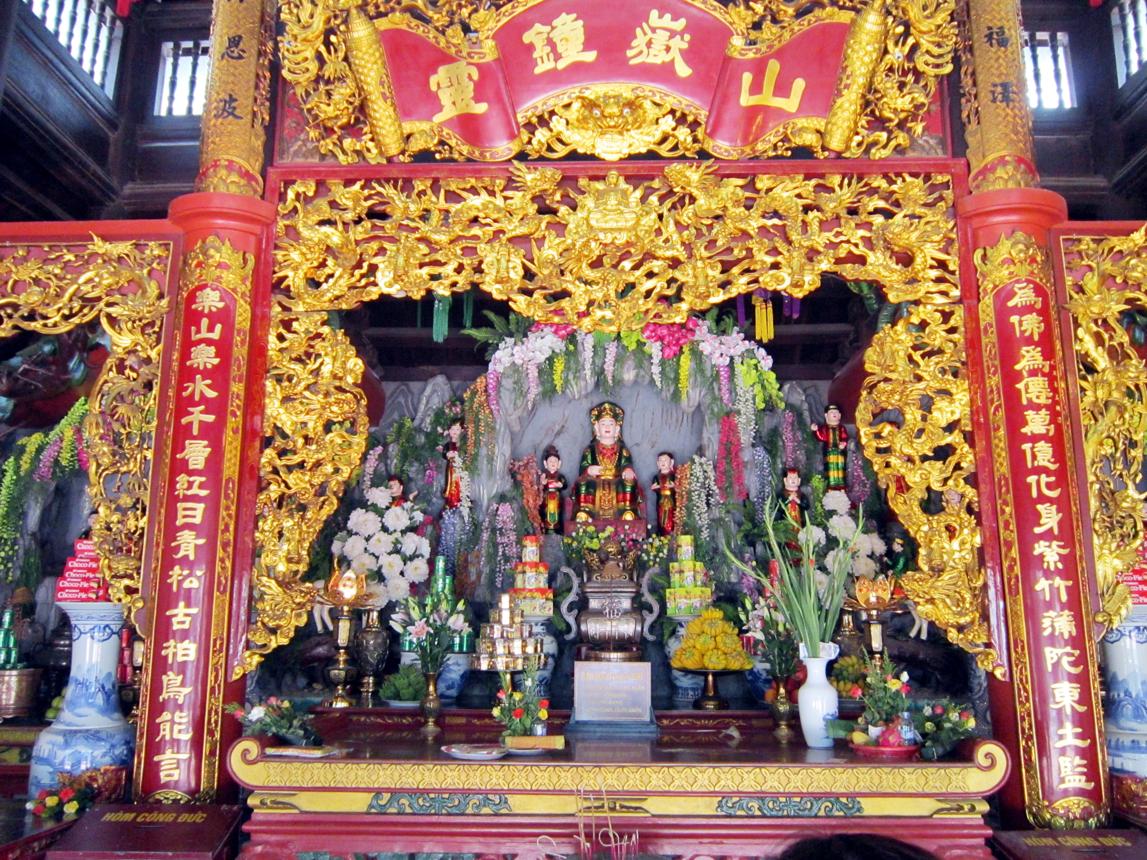
According to legend, Liễu Hạnh was the daughter of the Jade Emperor. Sent down to earth, she travelled the human world before discovering the beautiful landscape of West Lake, where she settled and opened a small lakeside shop — one famous story connects her with the celebrated scholar Phùng Khắc Khoan. Beyond romantic folklore, Liễu Hạnh became one of Vietnam's most revered Mother Goddesses, associated with protection, blessings and the well-being of ordinary people.
Today, visitors come to Phủ Tây Hồ to pray for good fortune, family happiness, health and success. The temple is an important place associated with Vietnamese Mother Goddess worship, recognised by UNESCO in 2016 as intangible cultural heritage.
Explore the Unique Architecture of Phủ Tây Hồ
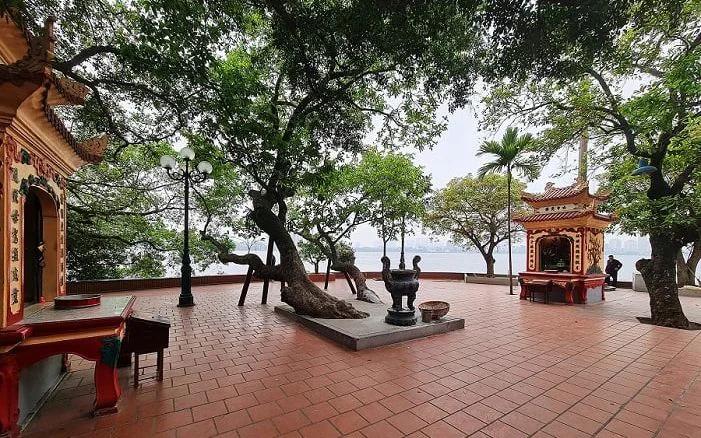
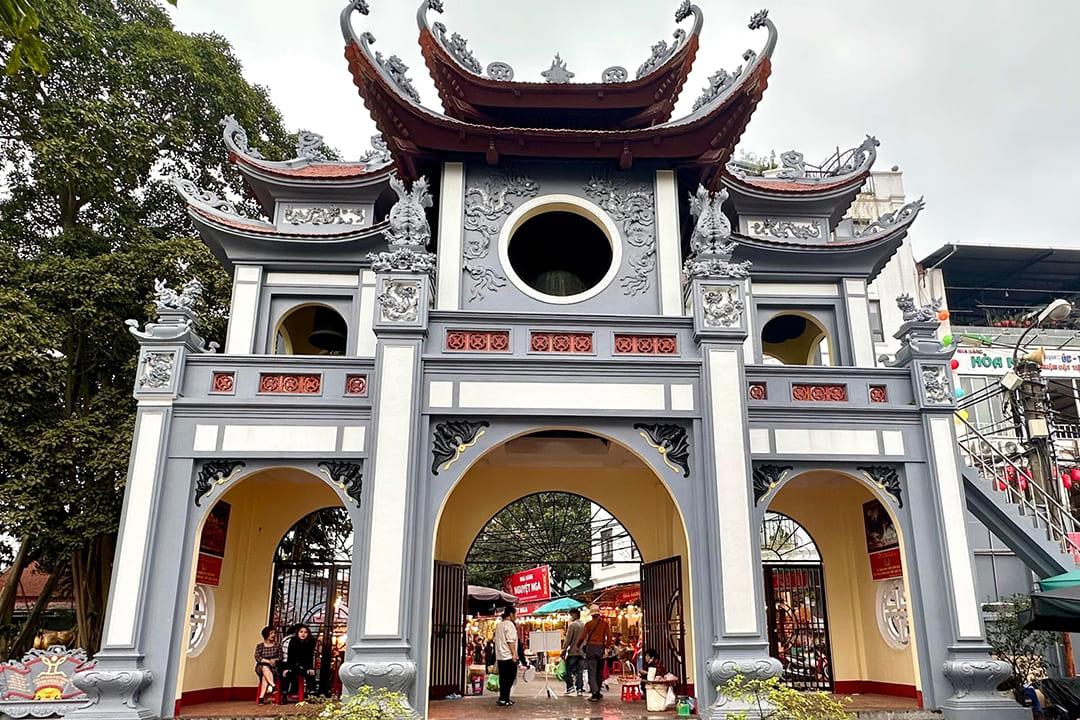
The first thing that catches your eye is the temple's traditional entrance, with its layered roofs, decorative details and imposing gate. The approach passes through an outer gate and an ornate two-storey, eight-roofed triple gate, while the courtyard beyond offers a quieter place to pause — shaded by an old banyan tree. Inside, the main worship halls hold traditional altars, statues and intricate decorations dedicated to the Mother Goddess and other figures of the Vietnamese spiritual pantheon, reflecting the wider practice of Mother Goddess worship.
Your Complete Guide to Visiting Phủ Tây Hồ
When is the best time to visit?
For a quieter experience, visit on an ordinary weekday morning. The temple becomes particularly busy on the 1st and 15th days of the lunar month, during Tết and the first full moon of the lunar year, and on the third day of the third lunar month — an important annual occasion associated with Mother Goddess Liễu Hạnh.
How to get to Phủ Tây Hồ
- From Hanoi Old Quarter — take a taxi or Grab towards 52 Đặng Thai Mai Street.
- From Trấn Quốc Pagoda — follow the roads around West Lake towards Quảng An.
- From other parts of Tây Hồ — a taxi, ride-hailing service or bicycle, depending on your starting point.
The final approach can become crowded on lunar worship days, so allow extra time and be prepared to walk.
Opening hours and entrance information
The temple is commonly listed as open from approximately 5:00 AM to 7:00 PM, though hours may vary during festivals. There is no standard tourist ticket commonly listed for entry, but donations and offerings are part of the worship experience.
What should you wear?
Dress modestly, covering your shoulders and knees, and keep your voice low inside the worship areas. Check whether photography is permitted before photographing altars or ceremonies, avoid touching offerings, and follow the instructions of temple staff.
What to See Near Phủ Tây Hồ
- Trấn Quốc Pagoda — one of Hanoi's best-known Buddhist landmarks beside the water. Read our Trấn Quốc Pagoda guide →
- Quán Thánh Temple — another historic place of worship. Read our Quán Thánh Temple guide →
- West Lake — a lakeside walk and a more relaxed side of Hanoi.
- Tây Hồ cafés and restaurants — finish with Vietnamese coffee, local food or a leisurely meal.
You can combine Phủ Tây Hồ and Trấn Quốc Pagoda in one outing, then explore the surrounding neighbourhood before sunset.
Frequently Asked Questions
Where is Phủ Tây Hồ in Hanoi?
It's located at 52 Đặng Thai Mai Street on Quảng An Peninsula, which extends into West Lake in Hanoi's Tây Hồ area.
When was Phủ Tây Hồ built?
Its exact construction date is unknown, but local tradition and historical accounts generally place its origins around the 17th century or later.
Who is worshipped at Phủ Tây Hồ?
The temple is dedicated primarily to Mother Goddess Liễu Hạnh, one of the Four Immortals in Vietnamese folk belief.
What is Phủ Tây Hồ famous for?
It's known for its Mother Goddess worship, traditional architecture, spiritual significance and location on a peninsula in West Lake.
When is the best time to visit?
Weekday mornings are ideal for a quieter visit; the temple is busiest on the 1st and 15th days of the lunar month, during Tết and around its annual festival.
Is there an entrance fee?
There is no standard tourist admission ticket commonly listed — visitors may make voluntary donations or offerings.
Can I visit Phủ Tây Hồ and Trấn Quốc Pagoda on the same day?
Yes — both are important West Lake landmarks and can easily be included in the same sightseeing outing.
Experience the spiritual side of Hanoi
Phủ Tây Hồ offers more than an impressive temple beside a beautiful lake — it's a glimpse into the beliefs and rituals that continue to shape Vietnamese culture. Staying around Tây Hồ makes exploring these quieter corners much easier, and Tuna Homestay offers a welcoming base for discovering West Lake, its temples, cafés and neighbourhood streets.
Best rates when you book direct on our website.