
You can spend days exploring Hanoi and still leave without knowing some of its most fascinating stories.
The old streets have seen empires rise and fall. The women selling fruit carry traditions passed down through generations. The country's temples, food, clothing and architecture all hold clues to a history far bigger than the city first lets on.
And then there are the museums.
Behind their doors, you'll find prison cells that make history feel painfully close, enormous traditional houses built without a single modern tool, colourful costumes that tell stories of entire communities and works of art that reveal how Vietnamese people see their world.
These aren't just places to look at old things.
They're places to discover the Vietnam you can't see from the street.
But which ones deserve your time? Let's find out.
1. Hoa Lo Prison: The Walls Have Stories to Tell
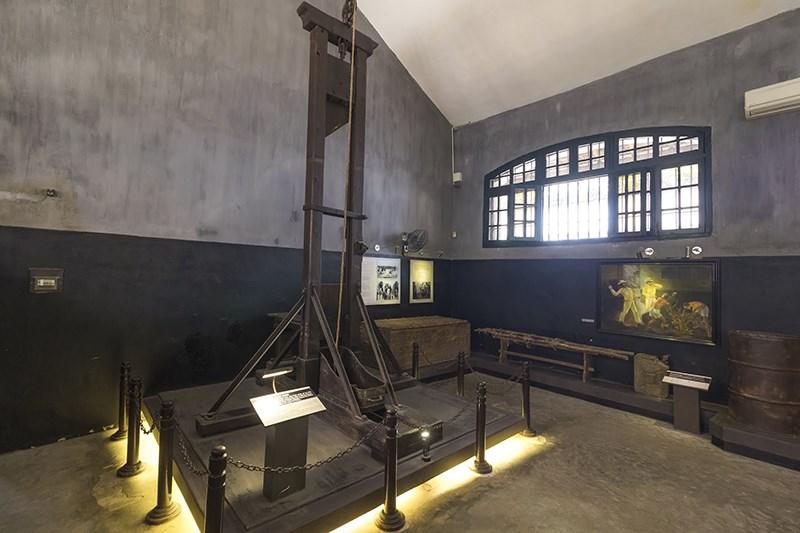
Some places are difficult to forget. Hoa Lo Prison is one of them.
Built by the French colonial administration in the late 19th century, it was used to imprison Vietnamese revolutionaries fighting for independence. Decades later, during the Vietnam War, American prisoners of war gave it the nickname "Hanoi Hilton".
Walk through its narrow corridors. Look at the heavy doors, the cramped cells and the photographs of people whose lives were shaped by the walls around them.
Suddenly, history isn't a date in a textbook. It's a human story, told through the spaces where it happened.
The exhibitions explore French colonial rule, imprisonment and the later wartime period. Some displays are confronting, and the experience can stay with you long after you leave.
Go here if: You want to understand the struggles behind modern Vietnam, not just see its famous landmarks.
Allow: Around 1 to 1.5 hours.
2. Ho Chi Minh Museum: The Story of a Man Who Changed a Nation
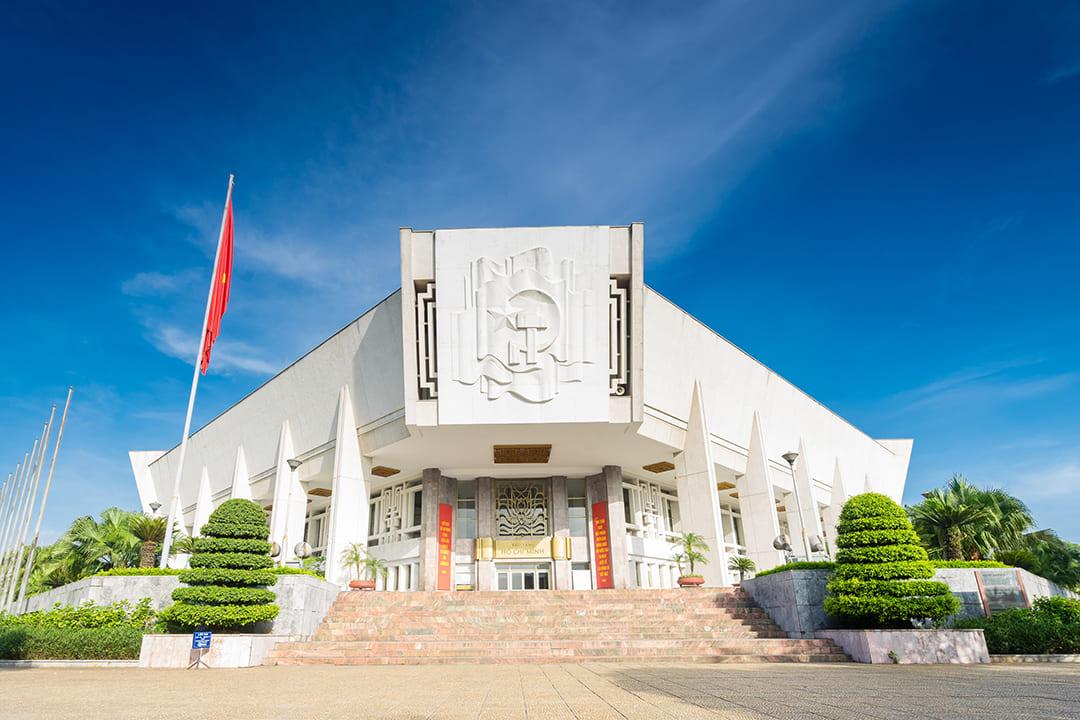
One man. An extraordinary life. A country transformed.
The Ho Chi Minh Museum explores the life and legacy of the revolutionary leader who became central to modern Vietnam.
Photographs, documents, personal objects and striking symbolic installations follow his journey and the political events surrounding it.
Some displays are deliberately unusual. Rather than simply lining the walls with dates and documents, the museum uses objects and visual symbolism to explore ideas, struggles and turning points.
You don't have to agree with every interpretation to understand why this figure remains so important to Vietnam's national identity.
The museum sits within the wider Ba Dinh area, close to the Ho Chi Minh Mausoleum and One Pillar Pagoda. It's a natural stop if you're exploring this historic part of Hanoi.
Go here if: You want to understand the person and political story behind modern Vietnam.
Allow: Around 1 to 1.5 hours.
3. Vietnam Museum of Ethnology: One Country, 54 Different Stories
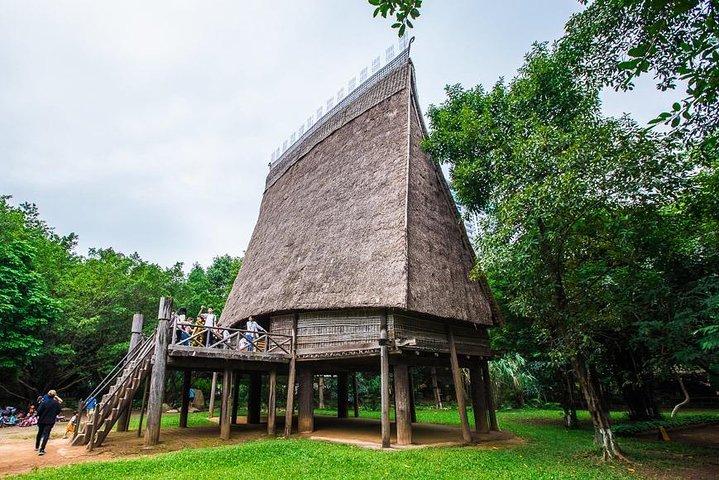
Here's something many visitors don't realise before arriving in Vietnam: the country is home to 54 officially recognised ethnic groups.
And each has its own traditions, clothing, architecture and way of life.
The Vietnam Museum of Ethnology brings those worlds together. Inside, you'll find photographs, everyday objects, traditional costumes and displays explaining the customs of different communities.
Then step outside.
Full-sized traditional buildings rise from the grounds, including remarkable stilt houses and other structures recreated from communities across Vietnam. Look at the wooden supports, the roofs, the stairs and the details of how each building was made.
These aren't simply pretty structures. They're the result of generations of knowledge, shaped by the land, climate and lives of the people who built them.
It's one thing to read that Vietnam is culturally diverse. It's another to walk through the architecture and see that diversity standing in front of you.
Go here if: You want to discover the many cultures that exist beyond the familiar image of Vietnam.
Allow: Around 2 to 3 hours.
4. Vietnamese Women's Museum: The Stories Behind the Faces
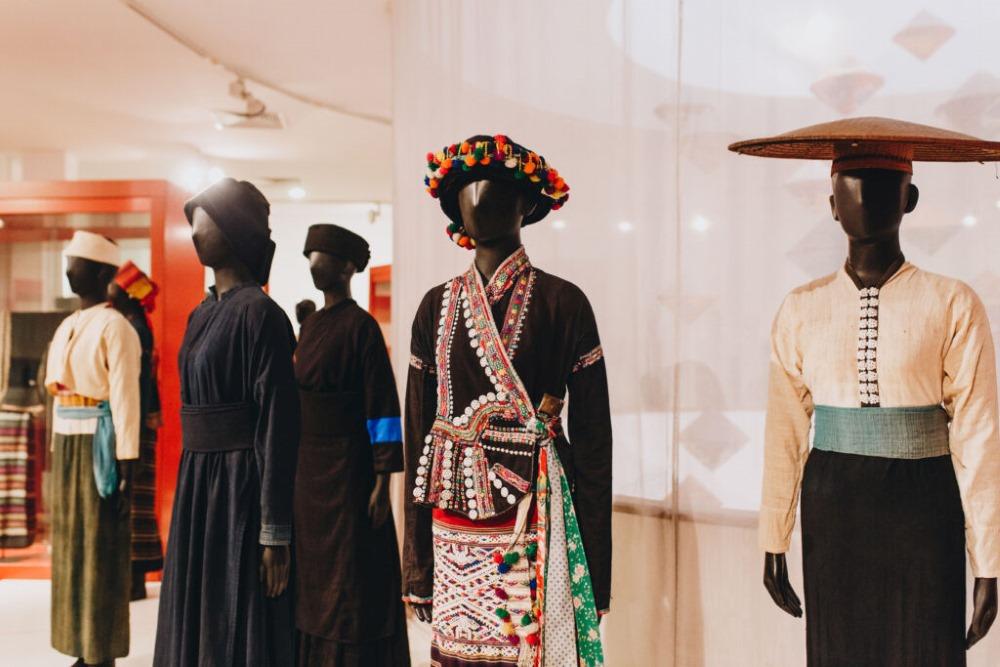
Look around Hanoi and you'll see women everywhere: running businesses, preparing food, selling flowers, raising families and keeping the city moving.
But how much do you know about the women behind those everyday scenes?
The Vietnamese Women's Museum tells their stories through family traditions, work, marriage, motherhood and wartime experiences.
Photographs, personal objects and traditional clothing bring the exhibitions to life. One moment you're looking at intricate wedding customs. The next, you're reading about women who took extraordinary risks during periods of conflict.
The collection of traditional clothing is particularly striking. Bright colours, detailed embroidery and distinctive patterns reveal the identity and craftsmanship of different communities.
It's a different way of understanding Vietnam. Not just through leaders and battles, but through the lives of the people who carried families, communities and traditions forward.
Go here if: You enjoy personal stories, cultural traditions and perspectives that are often missing from history books.
Allow: Around 1 to 1.5 hours.
5. Vietnam National Museum of History: Before Hanoi Became Hanoi
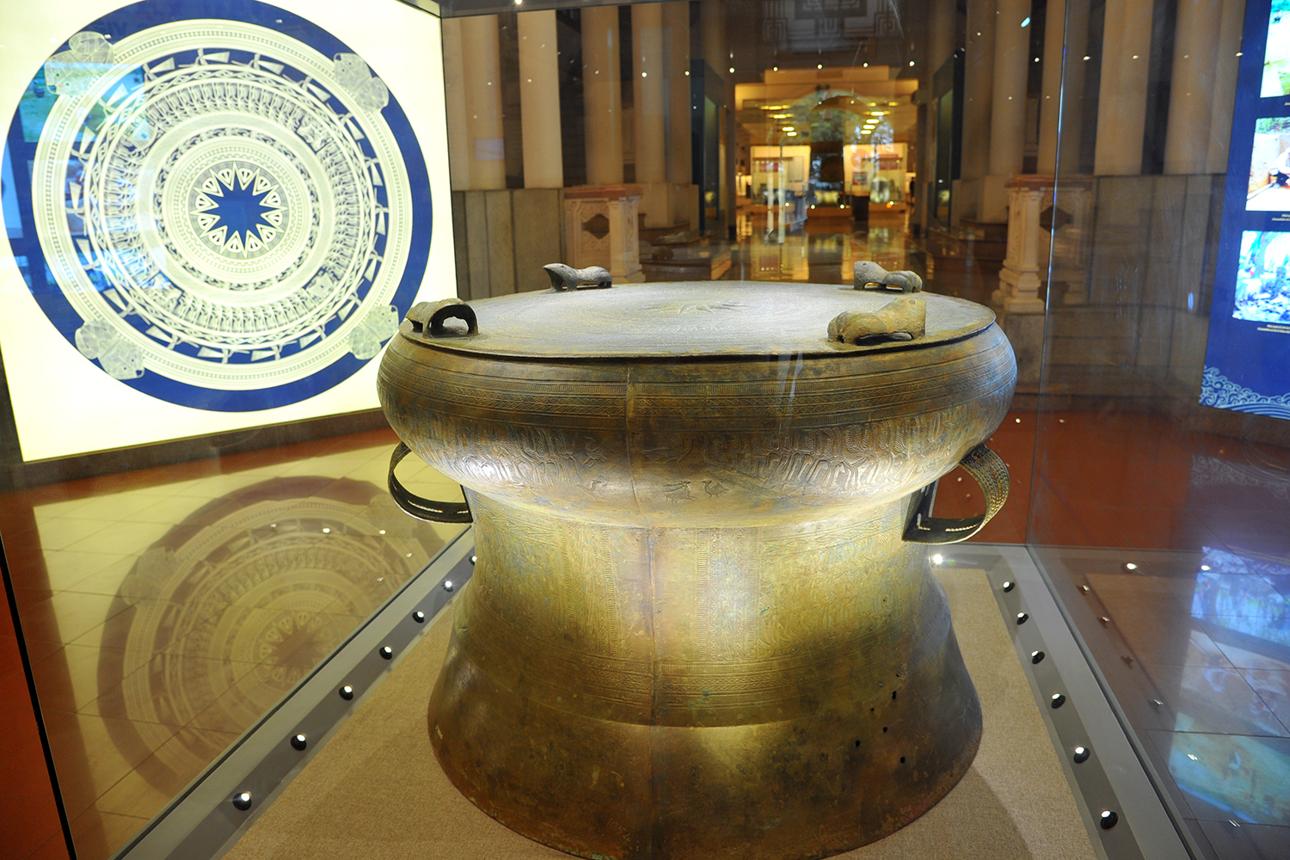
Before the motorbikes, the cafés and the crowded streets, there were ancient kingdoms, powerful dynasties and civilisations that shaped the land we now call Vietnam.
The Vietnam National Museum of History takes you back through those centuries.
Its collections include archaeological discoveries, bronze objects, ceramics, sculptures and artefacts from different periods of Vietnamese history.
Look closely at the craftsmanship. A bronze drum is more than an impressive object. Its patterns offer clues about the people who made it, the world they lived in and the beliefs they carried.
The museum helps connect the dots between Vietnam's ancient past and the country you are exploring today.
The collections are spread across two exhibition locations, so check the museum's current information before visiting.
Go here if: You love ancient history, archaeology and discovering how a country came to be.
Allow: Around 1.5 to 2 hours.
6. Vietnam National Museum of Fine Arts: See Vietnam Through an Artist's Eyes
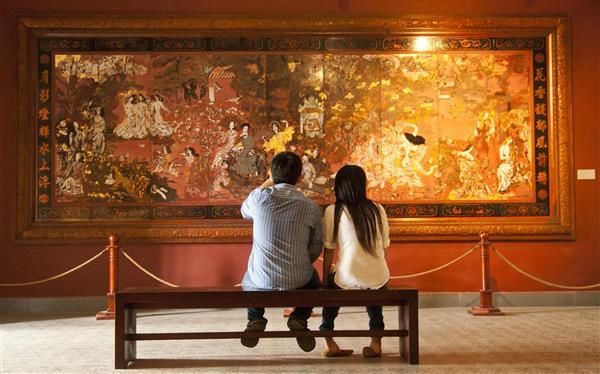
Sometimes the best way to understand a country isn't to read its history. It's to look at what its people have created.
At the Vietnam National Museum of Fine Arts, Vietnam's story unfolds through paintings, sculptures, ceramics and traditional craftsmanship.
You'll find works from different periods, including traditional art, modern movements and pieces shaped by the country's changing social and political landscape.
Pay particular attention to the lacquer paintings. Built through layers of material, colour and polishing, they have a depth and texture that photographs don't always capture.
Look closer and you'll start noticing details: a village scene, a familiar landscape, a face, a moment from everyday life.
This is Vietnam through another lens. Not the version explained by a guidebook, but the version imagined and remembered by its artists.
Go here if: You enjoy art, design, craftsmanship or simply want a quieter experience away from Hanoi's busy streets.
Allow: Around 1 to 2 hours.
7. Vietnam Military History Museum: The Machines Behind the Battles

Outside, aircraft and tanks sit in the open air. Inside, photographs, weapons, documents and military equipment trace the conflicts that shaped modern Vietnam.
The Vietnam Military History Museum offers a large-scale look at the country's military past, from earlier struggles to the wars of the 20th century.
The outdoor displays make an immediate impression. But the objects are more than impressive machines. Each one connects to a wider story of conflict, strategy, survival and national independence.
The exhibitions provide context for a history that is deeply woven into Vietnam's modern identity.
Important: The museum moved from its former site near the Hanoi Flag Tower to a new location on Thang Long Boulevard in late 2024. Make sure you use the new address when planning your visit.
Go here if: You're interested in military history, aircraft, tanks and the events behind Vietnam's modern conflicts.
Allow: Around 1.5 to 2 hours.
8. Hanoi Museum: Discover the City Beneath the City
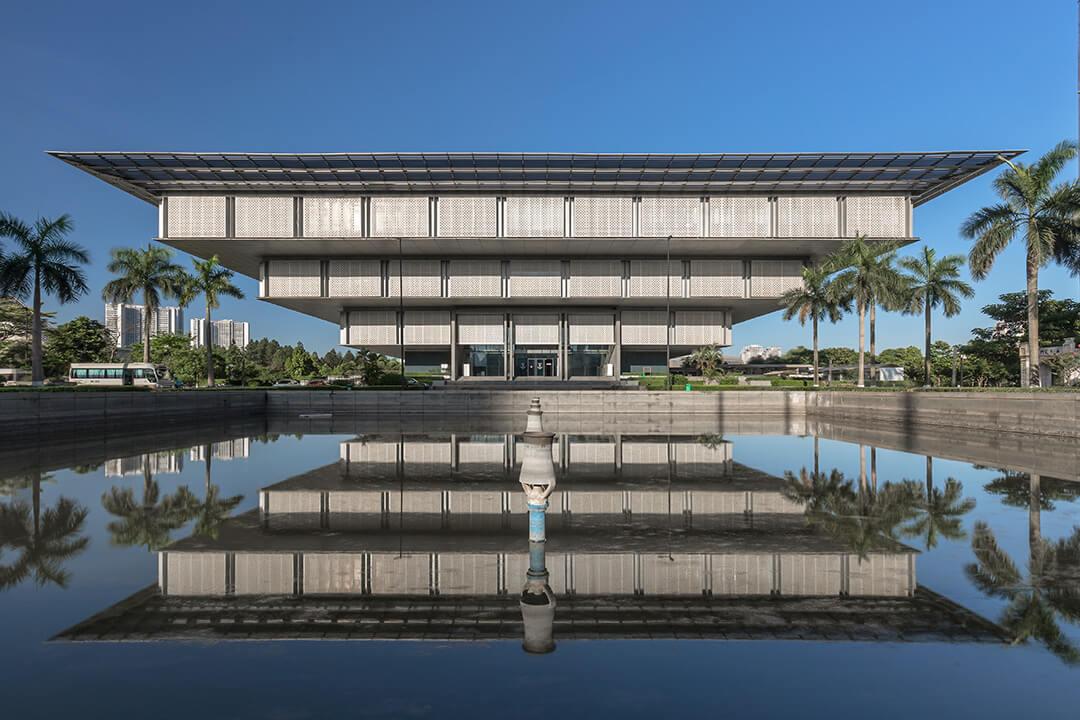
Hanoi is a city built on layers.
Walk through its streets and you'll find traces of different eras: old neighbourhoods, colonial buildings, ancient temples and modern developments all sharing the same space.
The Hanoi Museum explores how the capital grew into the city you see today.
Its distinctive inverted-pyramid building is worth a look in itself. Inside, collections of historical objects, archaeological discoveries and cultural displays reveal different chapters in Hanoi's development.
It's an opportunity to look beyond the busy streets and understand the history beneath them.
If you've already explored the Old Quarter, visited Hoan Kiem Lake and admired the city's architecture, this museum helps bring those experiences into a bigger picture.
Go here if: You're curious about Hanoi itself and how the capital has changed over time.
Allow: Around 1 to 2 hours.
9. Vincom Center for Contemporary Art (VCCA): Vietnam's Story Is Still Being Written
Museums don't always have to take you into the past.
At Vincom Center for Contemporary Art, the focus shifts to modern creative expression.
Exhibitions can include painting, sculpture, photography and installations exploring identity, society, culture and the world around us.
Unlike a historical exhibition, contemporary art doesn't always explain exactly what you're looking at. Sometimes you have to stand there, take it in and decide what it means to you.
That's part of the appeal.
It offers a glimpse of a Vietnam that is still changing, questioning and creating.
Go here if: You're interested in contemporary art and want to see a different side of Hanoi's cultural scene.
Allow: Around 1 hour, depending on the exhibition.
Check current exhibitions and visitor arrangements before making the trip.
Which Hanoi Museums Are Actually Worth Your Time?
You don't need to visit all nine. The best choice depends on the story you want to discover.
If You Only Have Time for One
Choose the Vietnam Museum of Ethnology for an eye-opening introduction to Vietnam's cultural diversity.
Choose Hoa Lo Prison if you want a more powerful and emotional encounter with the country's history.
These two offer very different experiences, but both give you something that stays with you.
If You Want a Well-Rounded Mix
Choose three museums that reveal different sides of Vietnam:
- Vietnam Museum of Ethnology: Discover the traditions and architecture of the country's ethnic communities.
- Vietnamese Women's Museum: Explore the personal stories and contributions of Vietnamese women.
- Hoa Lo Prison: Understand the struggles and events that shaped modern Vietnam.
Together, they tell a much richer story than three museums covering the same subject.
If You're a Museum Person
Give yourself room to explore:
- Vietnam National Museum of History for ancient kingdoms and archaeology.
- Vietnam Military History Museum for military equipment and modern conflicts.
- Vietnam National Museum of Fine Arts for art and craftsmanship.
- Ho Chi Minh Museum for the life and legacy of a defining historical figure.
Just remember that the Military History Museum is further out, so plan the journey rather than squeezing it between central attractions.
How to Fit Museums Into Your Trip Without Losing an Entire Day
Here's the trick: don't treat museums like a checklist.
Choose one main museum, then build the rest of your day around the neighbourhood.
A day exploring central Hanoi
Visit Hoa Lo Prison, walk around Hoan Kiem Lake and finish with food in the Old Quarter.
A day discovering Vietnamese culture
Spend the morning at the Vietnam Museum of Ethnology, then head towards West Lake for a slower afternoon.
A day in the Ba Dinh area
Explore the Ho Chi Minh Museum, One Pillar Pagoda and the wider Mausoleum complex. Check opening times and visitor rules before you go.
A day of art and architecture
Visit the Vietnam National Museum of Fine Arts, then explore the Temple of Literature nearby.
A little planning makes all the difference. You get the stories without spending your entire trip rushing from one ticket counter to another.
Before You Visit: A Few Things Worth Knowing
- Check closing days: Several major museums close on Mondays. Check each museum's current schedule.
- Check the location: The Military History Museum has moved, and Hanoi Museum is outside the Old Quarter.
- Allow enough time: Some collections deserve more than a quick walk-through.
- Check language options: English information is available at many major museums, but coverage varies.
- Check ticket prices: Admission fees and exhibition arrangements can change.
- Respect photography rules: Some displays restrict photography or flash.
FAQs About Hanoi Museums
Which museum is best in Hanoi?
For Vietnamese culture, the Vietnam Museum of Ethnology is one of the strongest choices. For a powerful historical experience, visit Hoa Lo Prison. For art, choose the Vietnam National Museum of Fine Arts.
What is the most visited museum in Vietnam?
There isn't a single consistently published visitor ranking that compares every museum in Vietnam. Hanoi's best-known museums attract many visitors, but it's difficult to name one definitive national winner.
Are Hanoi museums worth visiting?
Yes, especially if you want to understand more about Vietnam than what you can see on its streets. The museums reveal the country's history, cultural diversity, traditions, art and the people behind them.
Are Hanoi museums suitable for children?
The Vietnam Museum of Ethnology is a good option for families, particularly because of its outdoor traditional buildings. Hoa Lo Prison explores difficult historical subjects, so consider whether its content is appropriate for your children.
Do Hanoi museums have English information?
Many major museums provide English-language information, although the amount varies. Check whether an English audio guide or guided tour is available if you want more detail.
Which Hanoi museums are near the Old Quarter?
Hoa Lo Prison, the Vietnamese Women's Museum and the Vietnam National Museum of History are among the more central options. The Vietnam Museum of Ethnology, Hanoi Museum and the new Military History Museum require more travel time.
See More of Hanoi Than the Streets Reveal
A museum can change the way you see a city.
After Hoa Lo, you might look at Hanoi's streets and think about the people who fought to shape the country. After the Museum of Ethnology, a traditional house or a colourful piece of clothing might catch your eye in a completely different way.
That's the beauty of discovering a place properly. The more you understand, the more you notice.
And there's still so much waiting outside the museum doors.
At Tuna Homestay in Tây Hồ, you're close to West Lake and a more relaxed side of Hanoi. Spend your days uncovering the city's stories, then return to a welcoming place to slow down, share what you've discovered and plan what comes next.
Come curious. Leave knowing a little more.