
What if the most beautiful souvenir from Vietnam wasn't something you bought, but a craft you discovered being made?
Just outside Hanoi, there's a village where silk has been woven for centuries. Walk beneath colourful umbrellas, follow the sound of traditional looms and discover fabrics that once dressed members of Vietnam's royal court.
Welcome to Van Phuc Silk Village, also known as Ha Dong Silk Village.
But there's more to discover than rows of silk shops. Behind the colourful displays are traditional weaving houses, historic village landmarks and artisans keeping an extraordinary craft alive.
Here's how to explore it, what to look out for and how to find a piece of Vietnamese craftsmanship worth taking home.
If you enjoy places like this, you can explore more Hanoi travel guides for craft villages, temples, markets and neighbourhoods across the city.
1. Van Phuc Silk Village: A Journey Through Centuries of Craftsmanship
Van Phuc's silk story goes back more than a thousand years.
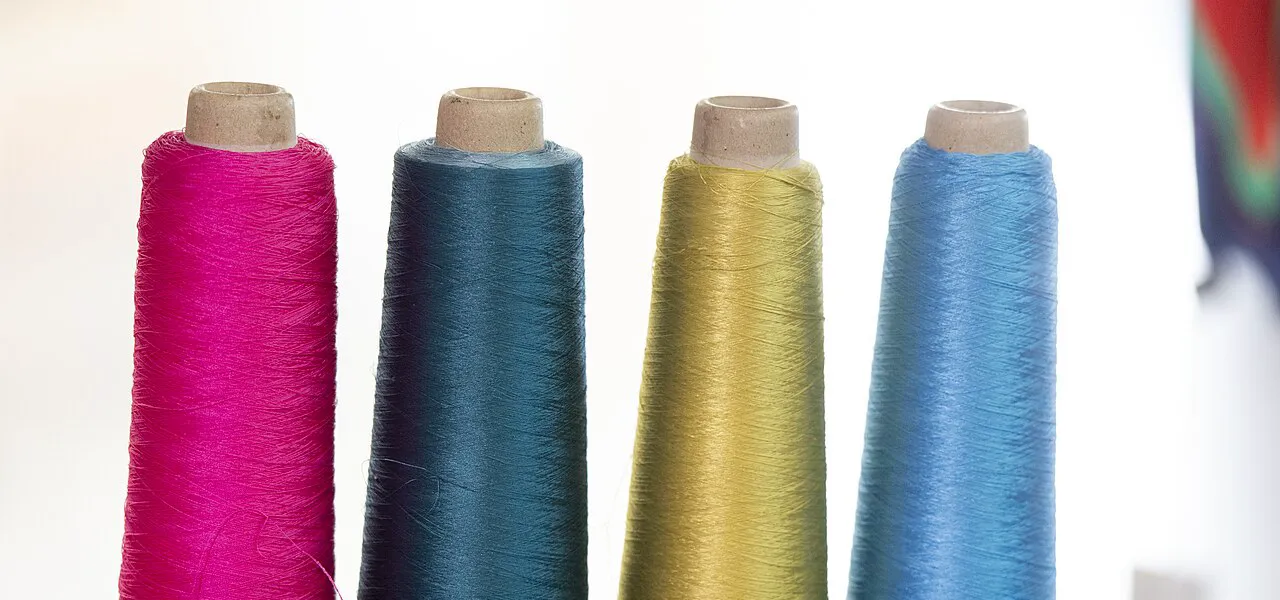
Located in Ha Dong, southwest of central Hanoi, the village has a long tradition of sericulture and silk weaving. Its origins are associated with the Ly Dynasty period, and its reputation grew over the centuries as its fabrics became known for their quality and intricate patterns.
During the Nguyen Dynasty, Van Phuc silk was supplied to the royal court in Hue. In the 1930s, its craftsmanship reached international attention when the silk was exhibited in Paris.
And here's what makes the village special today:
The craft hasn't simply been preserved behind museum glass. It's still woven into everyday village life.
Traditional looms, family workshops and silk shops continue the story, producing fabrics used for clothing, scarves, decorative pieces and more.
As you explore, look closely at the patterns. The subtle designs, natural sheen and smooth texture are part of what makes Van Phuc silk distinctive.
2. 4 Places to Discover in Van Phuc Silk Village
You could simply walk down the main shopping street, buy a scarf and leave.
But that would mean missing some of the village's most interesting details.
2.1. The Famous Silk Umbrella Street ☂️
This is probably the first place you'll want to photograph.
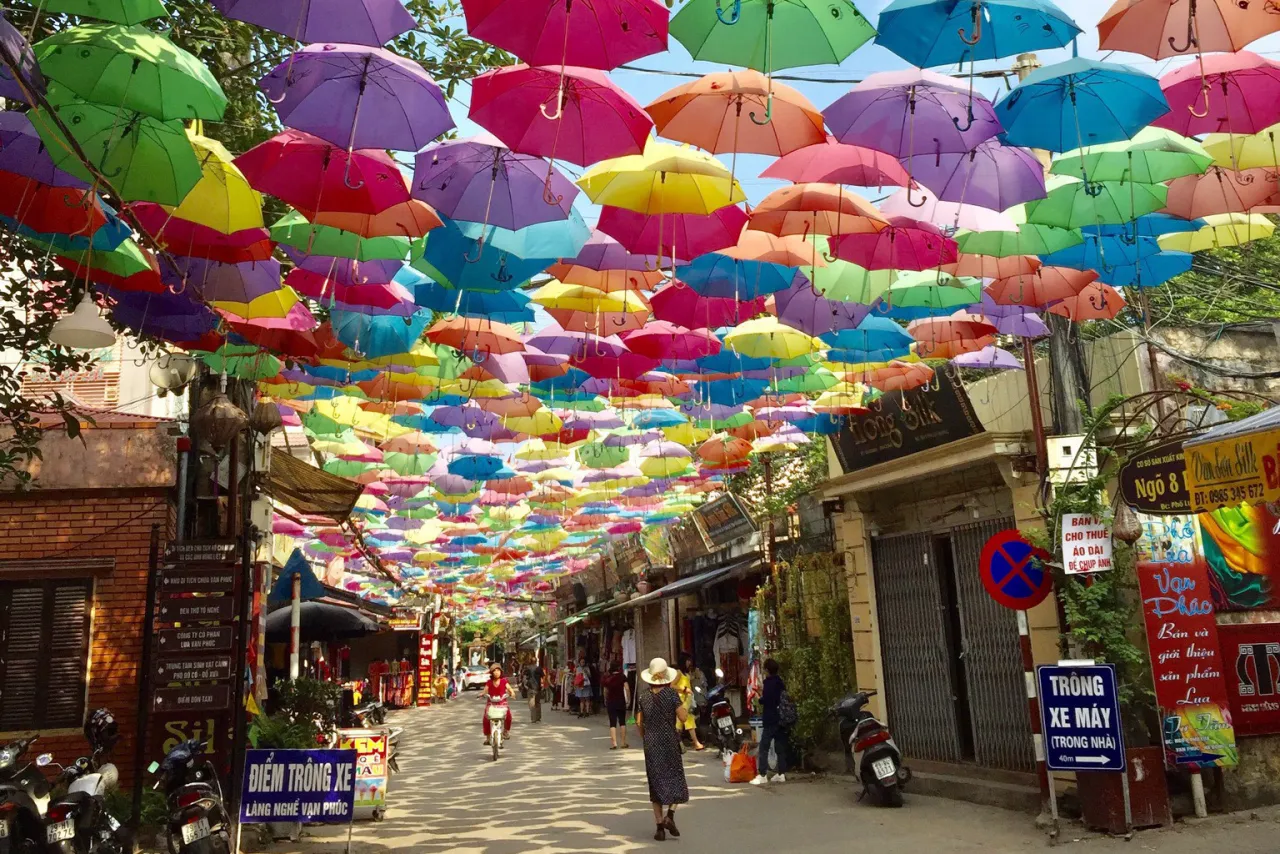
A colourful canopy of umbrellas stretches above the street, creating one of Van Phuc's most recognisable photo spots.
It's a lively contrast to the traditional architecture below, and a lovely place to begin exploring.
Take a few photographs, then wander beyond the main attraction. The smaller streets are where you'll find more of the village's everyday character.
2.2. Van Phuc Silk Street: A World of Colour and Texture
Imagine shelves filled with silk scarves, bolts of fabric, traditional patterns and colourful textiles.
Welcome to the heart of Van Phuc's silk trade.
The main silk street is lined with shops selling fabric, clothing, scarves and accessories. Some shops are connected to families involved in the craft, while others focus on retail and tailoring.
Take your time comparing the different patterns and textures. You'll find traditional designs alongside more contemporary styles.
And don't feel pressured to buy from the first shop. There are plenty more to discover.
2.3. Discover the Traditional Weaving Workshops
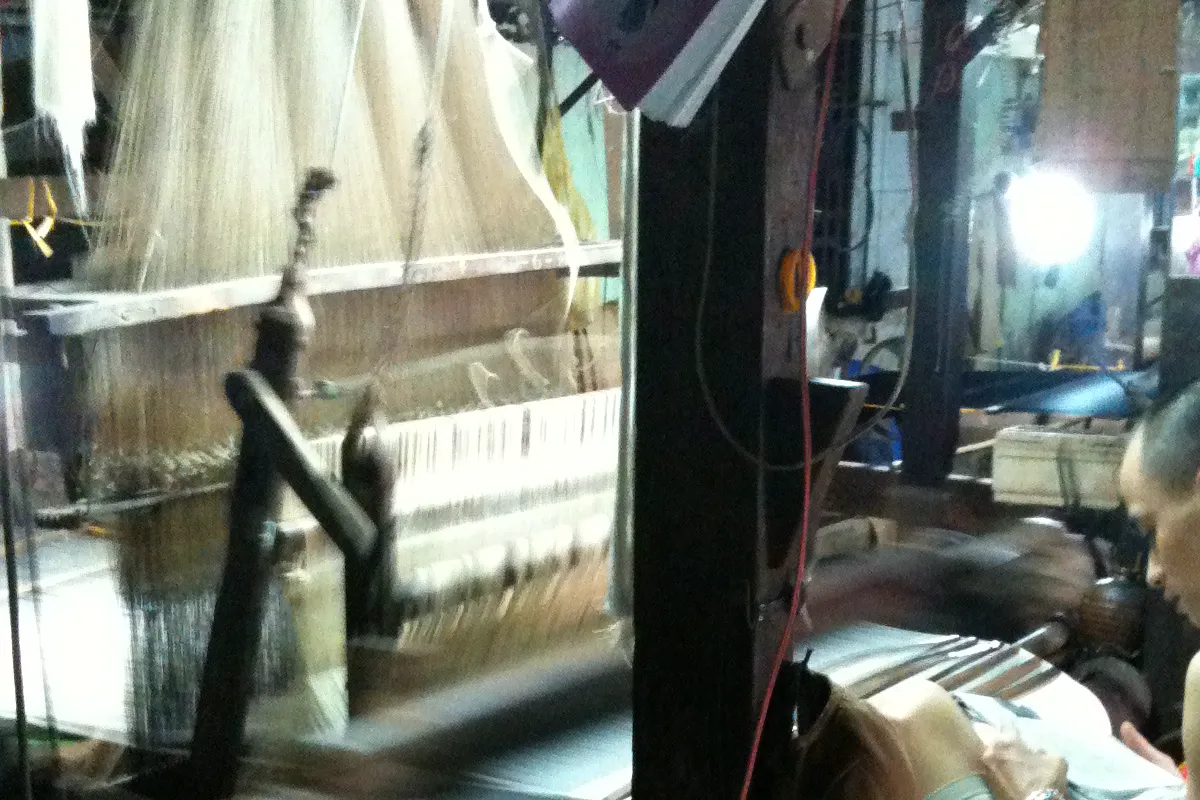
Here's where the village becomes particularly interesting.
Behind some of the shopfronts, traditional weaving workshops reveal how silk is transformed from thread into fabric.
Watch the loom move, see the threads arranged and notice how carefully each pattern is created.
The rhythmic clatter of the weaving equipment offers a glimpse into a craft that requires patience, precision and years of experience.
Some workshops welcome visitors, but remember that many are also private homes and working spaces. Always ask before entering or taking photographs.
2.4. Van Phuc Communal House: A Glimpse Into Village Heritage
Beyond the silk shops, there's another side of Van Phuc waiting to be discovered.
The village communal house, known as Đình Vạn Phúc, connects the community to its history and traditional beliefs.
The đình is associated with the village's silk-weaving heritage and the worship of its craft ancestor, A Lã Đê Nương.
Take a moment to appreciate the traditional architecture and the role these communal spaces have played in Vietnamese village life.
It's a quieter stop, but one that adds meaning to everything you've seen along the silk street.
3. 5 Ways to Experience the Silk Craft
Looking at beautiful silk is one thing.
Understanding how it's made is something else entirely.
Here are five ways to make your visit more memorable.
3.1. Watch Silk Being Woven
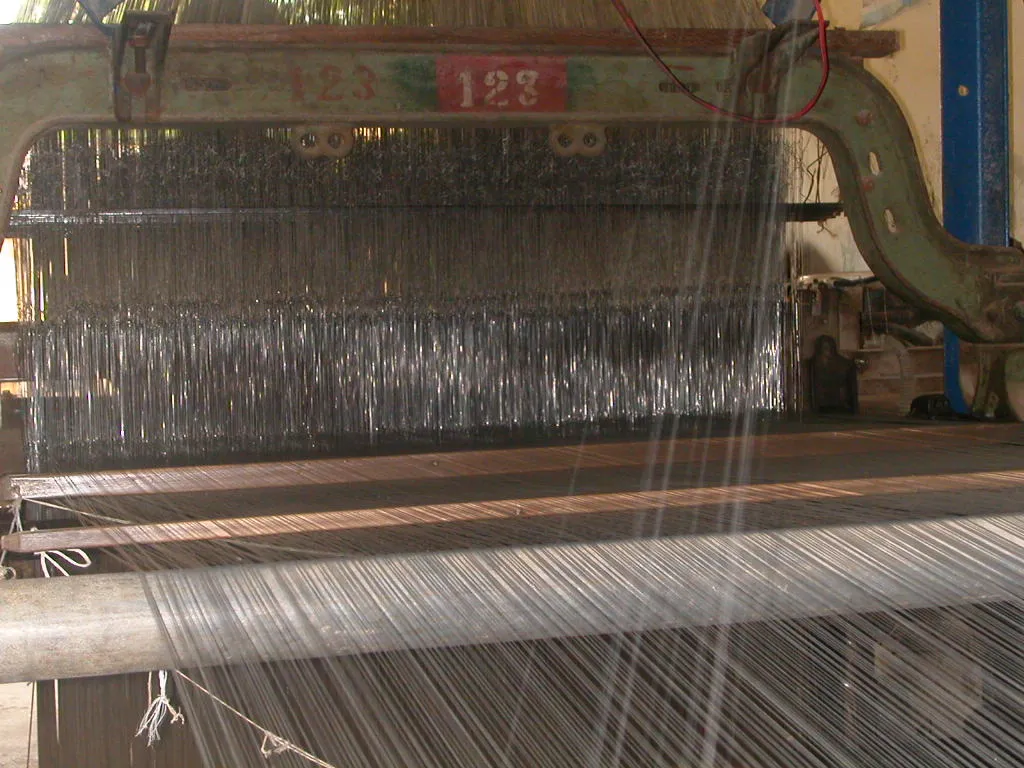
Find a working workshop and watch an artisan at the loom.
The shuttle moves back and forth. Threads cross and tighten. Slowly, a beautiful piece of fabric begins to appear.
It's a simple process to watch, but the precision behind it is remarkable.
For the best chance of seeing active weaving, visit during a weekday morning and ask which workshops are operating.
3.2. Try Your Hand at Traditional Weaving
Some local workshops offer visitors the opportunity to try weaving themselves.
You can learn the basic movements, sit at a loom and experience a small part of the work that goes into making silk.
Don't expect to become an artisan in an afternoon. The real reward is understanding the skill behind the finished fabric.
Availability and prices vary, so arrange your experience with a workshop in advance.
If you'd like to combine the village with other things to do around Hanoi, explore local experiences in Hanoi with Tuna.
3.3. Learn How Silk Is Made
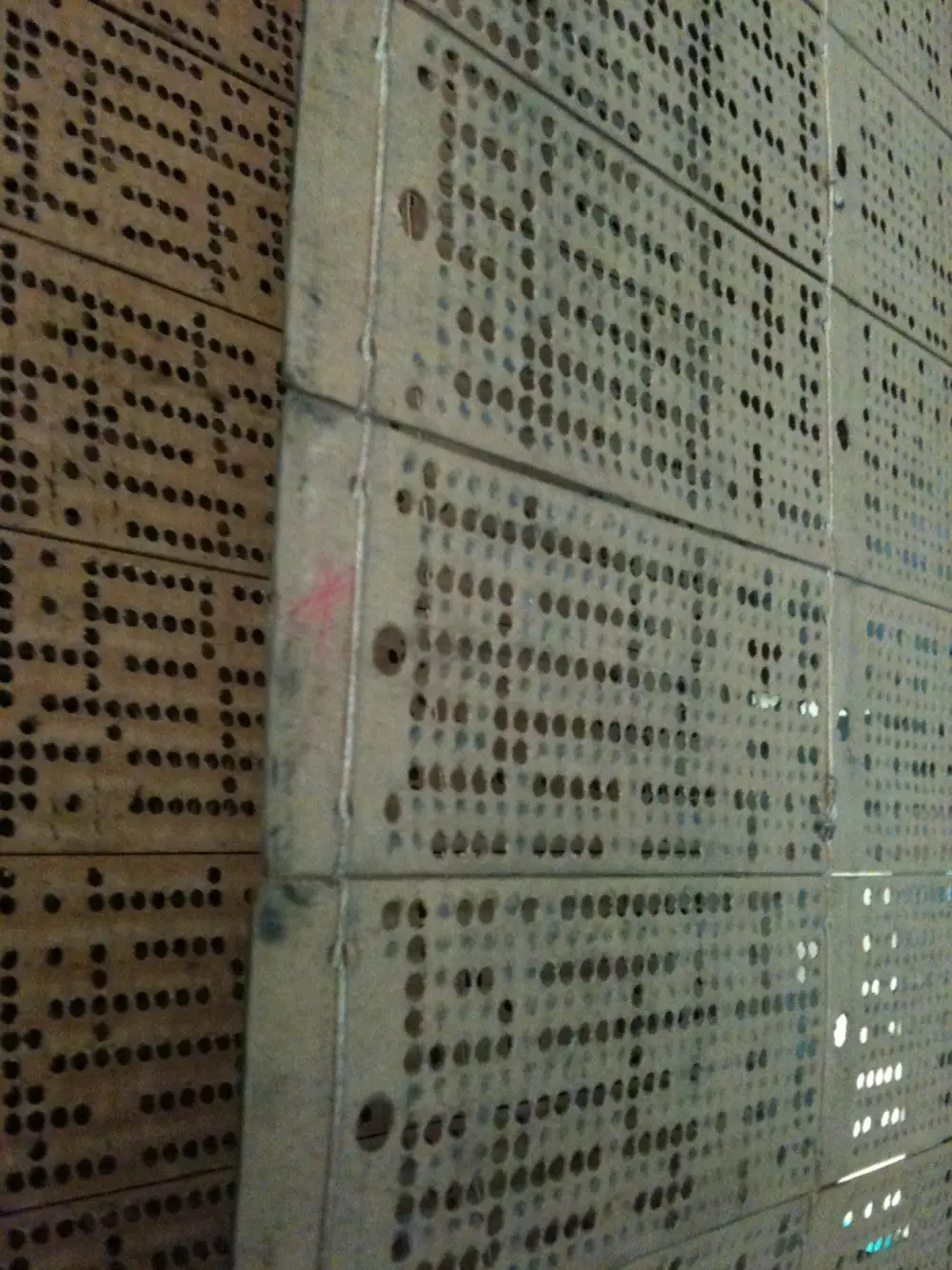
Before silk becomes a beautiful scarf or dress, it goes through several stages.
From silkworm cocoons and delicate threads to weaving, dyeing and finishing, each stage requires care and attention.
Ask local artisans if they can show you different parts of the process. Seeing the journey from raw material to finished fabric gives you a much greater appreciation of what you're buying.
3.4. Have a Silk Scarf or Áo Dài Made
Want something more personal than a ready-made souvenir?
Choose a fabric you love and ask about having a Vietnamese áo dài tailored.
The áo dài is one of Vietnam's most recognisable traditional garments, and silk gives it a beautiful flow and finish.
Tailoring usually takes several days, depending on the design and shop. If you're only in Hanoi briefly, ask about timing before placing an order.
3.5. Capture the Details of Village Life
Don't spend the entire visit inside shops.
Walk through the quieter lanes, look at the old houses and notice the small details that make Van Phuc different from a typical shopping street.
Sometimes the most memorable part of a craft village is the life happening around the craft itself.
4. What to Buy at Van Phuc Silk Village: Souvenirs Worth Taking Home
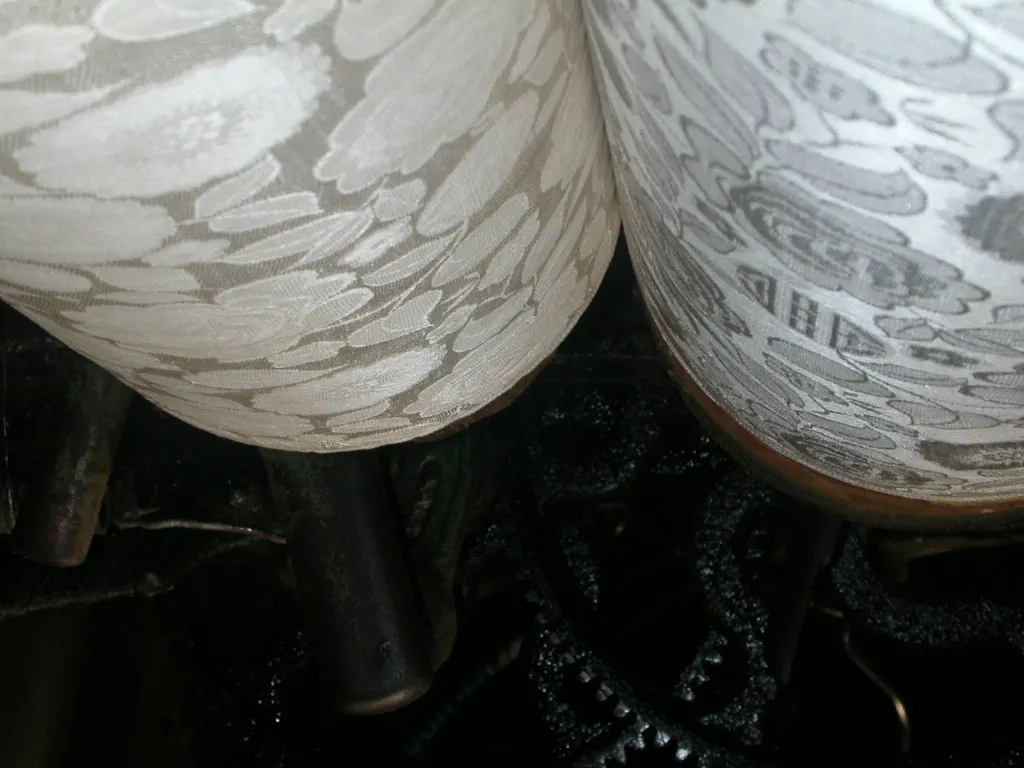
Now for the difficult part: choosing what to take home.
With so many colours, textures and designs, it's easy to fall in love with more than one piece.
Here are some popular choices.
| What to buy | Why it's worth considering |
|---|---|
| Silk scarves | Lightweight, elegant and easy to pack. |
| Silk fabric by the metre | Ideal if you want something tailored later. |
| Áo dài | A beautiful way to experience traditional Vietnamese clothing. |
| Silk ties | A practical gift with a Vietnamese connection. |
| Silk accessories | Small souvenirs that are easy to carry home. |
How to Tell What You're Buying
One important thing: not every fabric sold as silk is 100% natural silk.
Some products are blends or synthetic alternatives, so ask the seller about the exact silk content.
A few things to check:
- Touch: Natural silk often feels smooth and pleasantly cool against the skin.
- Appearance: It usually has a soft, natural sheen rather than an overly plastic-looking shine.
- Label: Ask whether the fabric is 100% silk, a silk blend or synthetic.
- Quality: Inspect the weave, stitching and finish carefully.
Avoid relying on a quick touch test alone. The best approach is to ask clear questions and buy from a shop that can explain its products.
5. Essential Tips for Visiting Van Phuc Silk Village
A few small details can make the difference between a rushed shopping trip and a much better village experience.
- ☀️ Visit in the morning: Weekday mornings offer a better chance of seeing active weaving workshops.
- 👟 Explore on foot: The village is compact, and walking lets you discover the smaller streets.
- 🧵 Ask before entering workshops: Remember that many are private homes and workplaces.
- 💰 Compare a few shops: Similar-looking products can differ in silk content, quality and price.
- 🤝 Bargain politely: Keep negotiations friendly and respectful. Some local traders consider the first sale of the day particularly auspicious, so avoid aggressive bargaining, especially on the 1st and 15th days of the lunar month.
- 🛍️ Know what you want: Have an idea of what you'd like to buy before browsing. It's easy to get carried away!
- 🧳 Plan for your purchases: Ask shops to package delicate fabrics and finished garments carefully.
6. How to Get to Van Phuc Silk Village
Van Phuc is located in Ha Dong, approximately 10 kilometres southwest of central Hanoi.
You can reach it in several ways:
By Grab or taxi: Usually the most convenient option. Allow approximately 30 to 45 minutes, depending on traffic.
By motorbike: A flexible option if you're comfortable riding in Hanoi. Allow around 30 to 40 minutes.
By public bus: Several bus routes serve the Ha Dong area, including routes 19, 21A, 22, 27, 39, 57 and 103A. Check the latest stops and schedules before travelling.
There is no general entrance ticket for exploring the village. Shops and individual workshops operate on their own schedules.
7. Continue Your Hanoi Discovery at West Lake

After exploring the colours and craftsmanship of Van Phuc, why not discover another side of Hanoi?
West Lake offers a completely different atmosphere.
Here, the rhythm slows down. Lakeside roads open up, cafés overlook the water and little neighbourhood streets invite you to wander.
You can:
- Enjoy a Vietnamese coffee beside the lake.
- Visit the historic Phu Tay Ho Temple.
- Explore local restaurants and neighbourhood cafés.
- Take a relaxing walk as the sun sets over the water.
Van Phuc introduces you to Hanoi's traditional craftsmanship. West Lake lets you experience the city's everyday charm.
Discover the West Lake neighbourhood to find the temples, cafés, markets and quiet corners within easy reach of the water.
Make West Lake Your Home Base
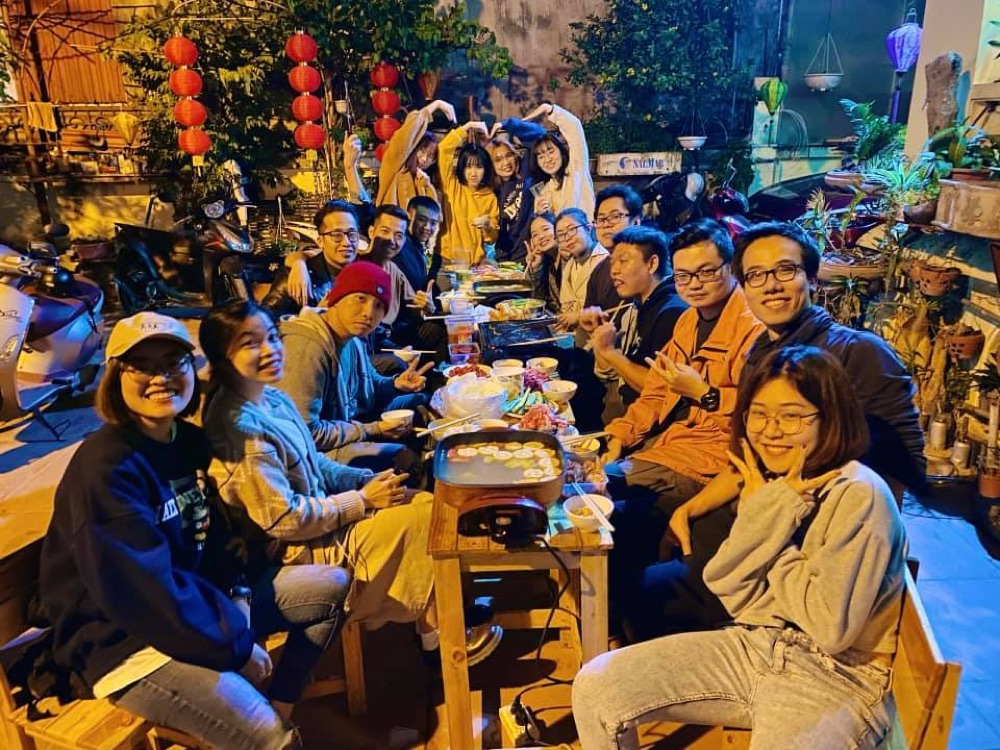
If you're planning to explore Hanoi beyond its famous attractions, Tây Hồ makes a wonderful neighbourhood to stay in.
At Tuna Homestay, you'll find a welcoming place near West Lake, surrounded by local cafés, restaurants and neighbourhood experiences.
Spend your days discovering Hanoi's craft villages, temples and hidden corners. Then return somewhere comfortable to relax and plan your next adventure.
Discover Hanoi at your own pace. Feel at home at Tuna.
Frequently Asked Questions About Van Phuc Silk Village
Is Van Phuc Silk Village worth visiting?
Yes. It's a fascinating place to discover Vietnam's silk-weaving heritage, browse traditional fabrics and see local artisans at work. It's particularly worthwhile if you enjoy crafts, culture and shopping for meaningful souvenirs.
How far is Van Phuc Silk Village from Hanoi Old Quarter?
The village is approximately 10 kilometres southwest of central Hanoi. The journey usually takes around 30 to 45 minutes by car, depending on traffic.
Is there an entrance fee?
No general entrance ticket is required to explore Van Phuc Silk Village. Individual workshops and experiences may charge separate fees.
What is the best time to visit?
Weekday mornings are a good choice if you want to see active weaving workshops. Shops generally operate during the day, but individual workshops have their own schedules.
Can I watch silk being made?
Yes. Some family workshops allow visitors to observe weaving and other parts of the production process. Always ask permission before entering.
Can I buy genuine silk at Van Phuc?
Yes, but ask sellers about the fabric's exact silk content. Some products may be blended or synthetic, so check the label and compare shops before buying.
Can I have an áo dài made in Van Phuc?
Yes. Several shops offer fabrics and tailoring services. Allow several days for production, depending on the design and tailor.