
What if you could take home a little piece of Vietnam that you made with your own hands?
Just outside Hanoi, there's a village where clay has been shaped into beautiful ceramics for centuries. Walk through its narrow lanes and you'll find family workshops, traditional pottery, colourful market stalls and the fascinating stories behind one of Vietnam's oldest craft traditions.
Welcome to Bat Trang Pottery Village.
But don't come just to browse the shops. There's an old village to explore, a remarkable pottery museum to discover and, perhaps best of all, the chance to sit at a potter's wheel and create something yourself.
Here's how to make the most of your visit.
1. Looking Back at the 700-Year History of Bat Trang Pottery Village
Some villages make things. Bat Trang has spent centuries turning clay into a craft that helped shape Vietnamese culture.
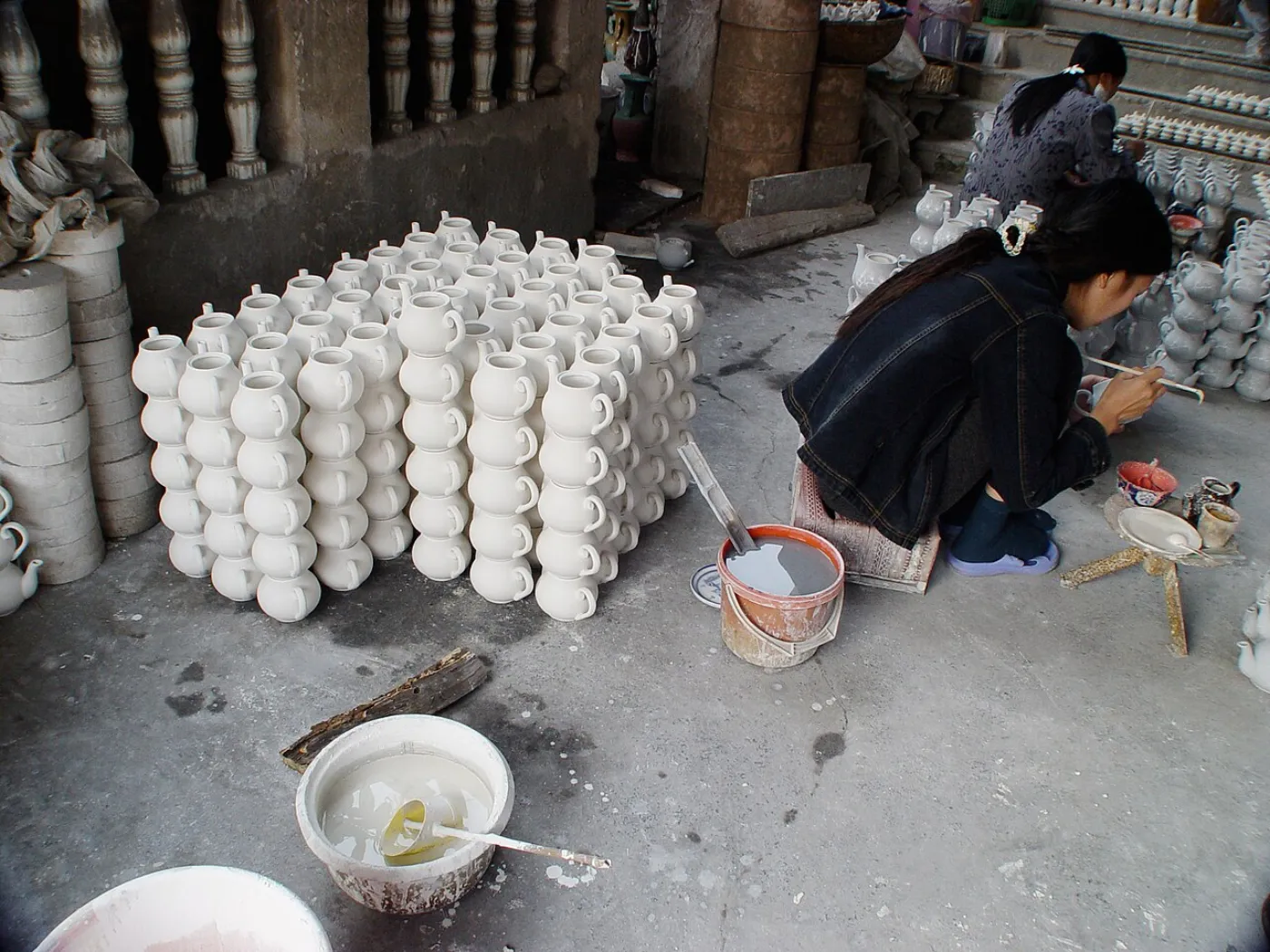
Located beside the Red River, Bat Trang has a pottery-making history dating back to around the 14th century. Over generations, local artisans developed techniques for shaping, glazing and decorating ceramics, creating products used in Vietnamese homes, temples and royal settings.
By the 16th and 17th centuries, Bat Trang had become an important ceramic production centre. Its pottery travelled beyond Vietnam, reaching markets across Asia and further afield.
And here's what makes the village special today: pottery isn't just part of its history. It's still part of everyday life.
Behind the shopfronts, family workshops continue the craft. Clay is shaped, patterns are painted and finished pieces are prepared for homes, restaurants and collectors.
As you walk through the village, you're not simply looking at souvenirs. You're stepping into a living craft tradition.
2. Where Is Bat Trang Pottery Village? 3 Ways to Get There
Bat Trang is located in Gia Lâm, southeast of central Hanoi, beside the Red River. It's approximately 13 to 15 kilometres from the Old Quarter, making it an easy half-day or full-day trip.
You have several ways to get there.
🚕 By Grab or Taxi: The Easiest Option
For most visitors, this is the simplest way to reach Bat Trang.
Book a Grab car or taxi directly to Bat Trang Ceramic Village. The journey usually takes around 30 to 45 minutes, depending on traffic and your starting point.
It's particularly convenient if you're travelling with friends, children or shopping bags.
🚌 By Public Bus: The Budget-Friendly Route
Want to experience Hanoi like a local?
Take bus 47A from Long Biên interchange towards Bat Trang. It's an affordable way to reach the village, with the journey taking approximately 40 minutes depending on traffic.
Check the latest bus timetable before travelling.
🛵 By Motorbike: Explore at Your Own Pace
If you're comfortable riding in Hanoi traffic, a motorbike gives you the freedom to explore at your own pace.
The route takes you across the Red River towards Gia Lâm and Bat Trang. Just remember that Hanoi traffic can be busy, so ride carefully and allow extra time.
A little tip: If you're planning to buy ceramics, consider taking a car or taxi back. Some pieces are heavier and more fragile than they look!
Planning more day trips from the city? Browse more Hanoi travel guides for temples, markets, food and neighbourhoods worth adding to your itinerary.
3. Bat Trang Pottery Village Opening Hours and Entrance Fees
Here's some good news: you don't need to buy a ticket just to explore the village.
You can wander through its streets, browse the pottery shops and visit the market without paying a general village entrance fee.
Here's a useful guide to the main costs:
| Experience | Approximate price |
|---|---|
| Explore the village | Free |
| Visit the pottery market | Free |
| Bat Trang Ceramics Museum | 60,000 to 70,000 VND |
| Pottery-making activities | Depends on workshop |
| Finished pottery to take home | Depends on the item |
Museum opening hours: Generally around 8:00 AM to 5:30 PM on weekdays and until 6:00 PM on weekends.
Individual workshops and shops have their own opening schedules.
Prices and opening hours can change, so confirm directly with the venue before visiting.
4. The 3 Places You Shouldn't Miss in Bat Trang
You could spend an afternoon wandering around the village and still discover something new around the next corner.
But if you have limited time, these three places deserve a spot on your itinerary.
4.1. Bat Trang Ceramics Museum: A Building Made for Discovery
The first thing you'll notice is the architecture.
The museum itself looks like a giant collection of pottery wheels stacked together.
Its curved forms and layered architecture make it one of the village's most distinctive landmarks.
Inside, you'll discover ceramic collections showcasing different styles, techniques and periods of Vietnamese pottery.
Take your time exploring the displays. You'll see how artisans transformed simple clay into bowls, vases, decorative pieces and intricate works of art.
And don't forget your camera. The building's unusual curves and open spaces make it one of Bat Trang's most photogenic spots.
4.2. Bat Trang Ceramic Market: A Treasure Trove of Handmade Finds
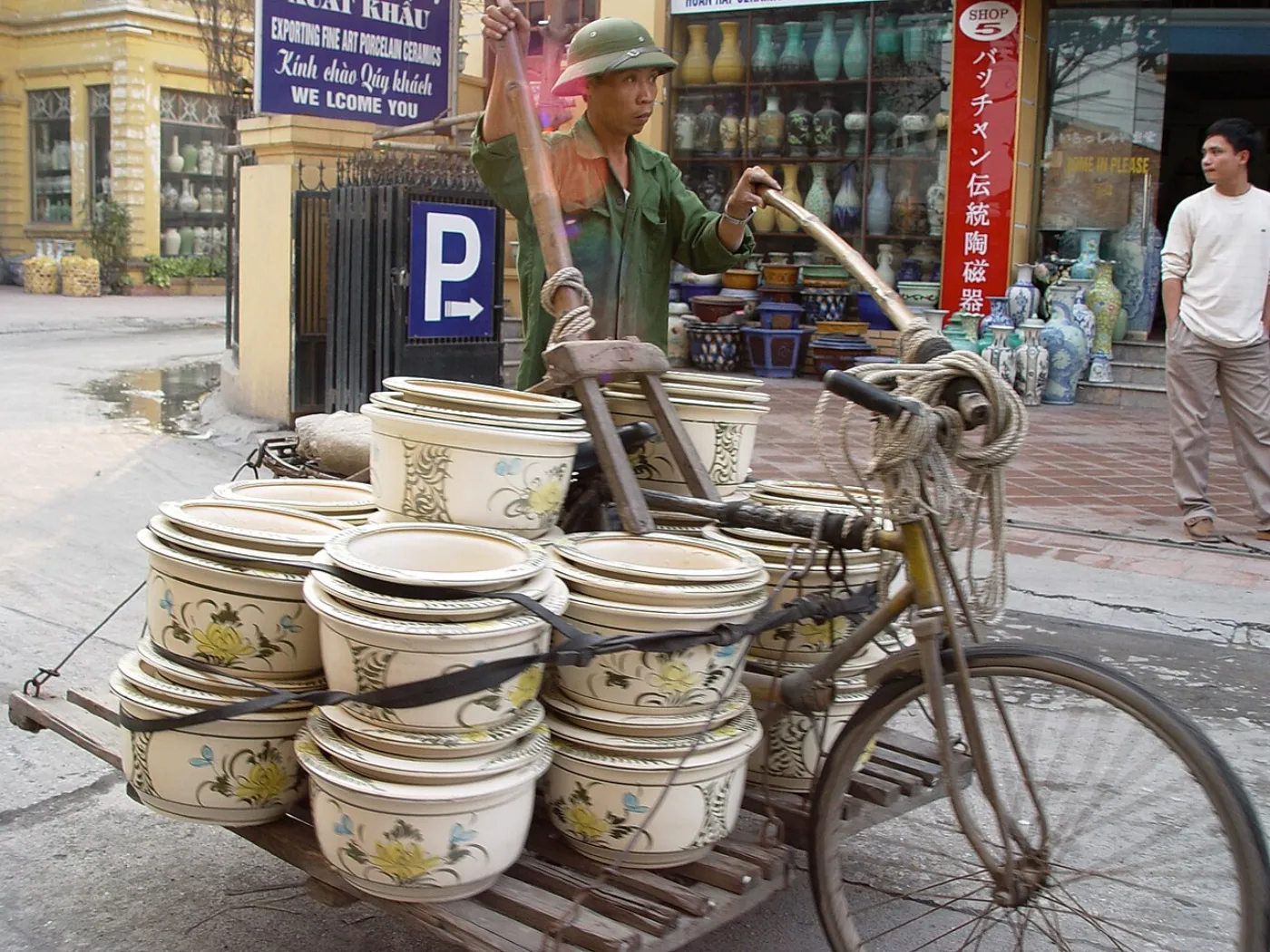
Now for the fun part.
Imagine rows of colourful ceramic bowls, delicate tea sets, decorative vases and handmade souvenirs, each with its own character.
Welcome to Bat Trang Ceramic Market.
With hundreds of stalls, it's a wonderful place to browse the village's craftsmanship and find something to take home.
You'll discover:
- Traditional blue-and-white ceramics.
- Tea sets and handmade cups.
- Decorative vases and ornaments.
- Ceramic paintings and souvenirs.
- Beautiful household pieces.
Don't rush through the market. Look closely at the patterns, colours and small details. You might find a piece that catches your eye when you least expect it.
Shopping tip: Compare a few stalls before buying, especially for larger or more expensive pieces. Ask about packaging and safe transport if you're taking ceramics home.
4.3. Van Van Ancient House: A Glimpse Into Bat Trang's Past
Here's a discovery for anyone who enjoys the quieter side of history.
Van Van Ancient House is a traditional old house known for its collection of historic ceramics and architectural details.
Tucked away in the village, it offers a different experience from the busy market and modern museum.
Look out for old ceramic pieces, traditional decorative details and the atmosphere of a historic Vietnamese home.
It's a lovely reminder that Bat Trang's story isn't only about producing pottery. It's also about the people, homes and traditions that grew around the craft.
Check access and opening arrangements before visiting, as this is not the same as entering the public market.
5. What to Do at Bat Trang Pottery Village: 4 Experiences Worth Trying
You've seen the pottery. You've explored the market.
But there's one experience that can turn your visit into something much more personal.
5.1. Try Making Your Own Pottery 🎨
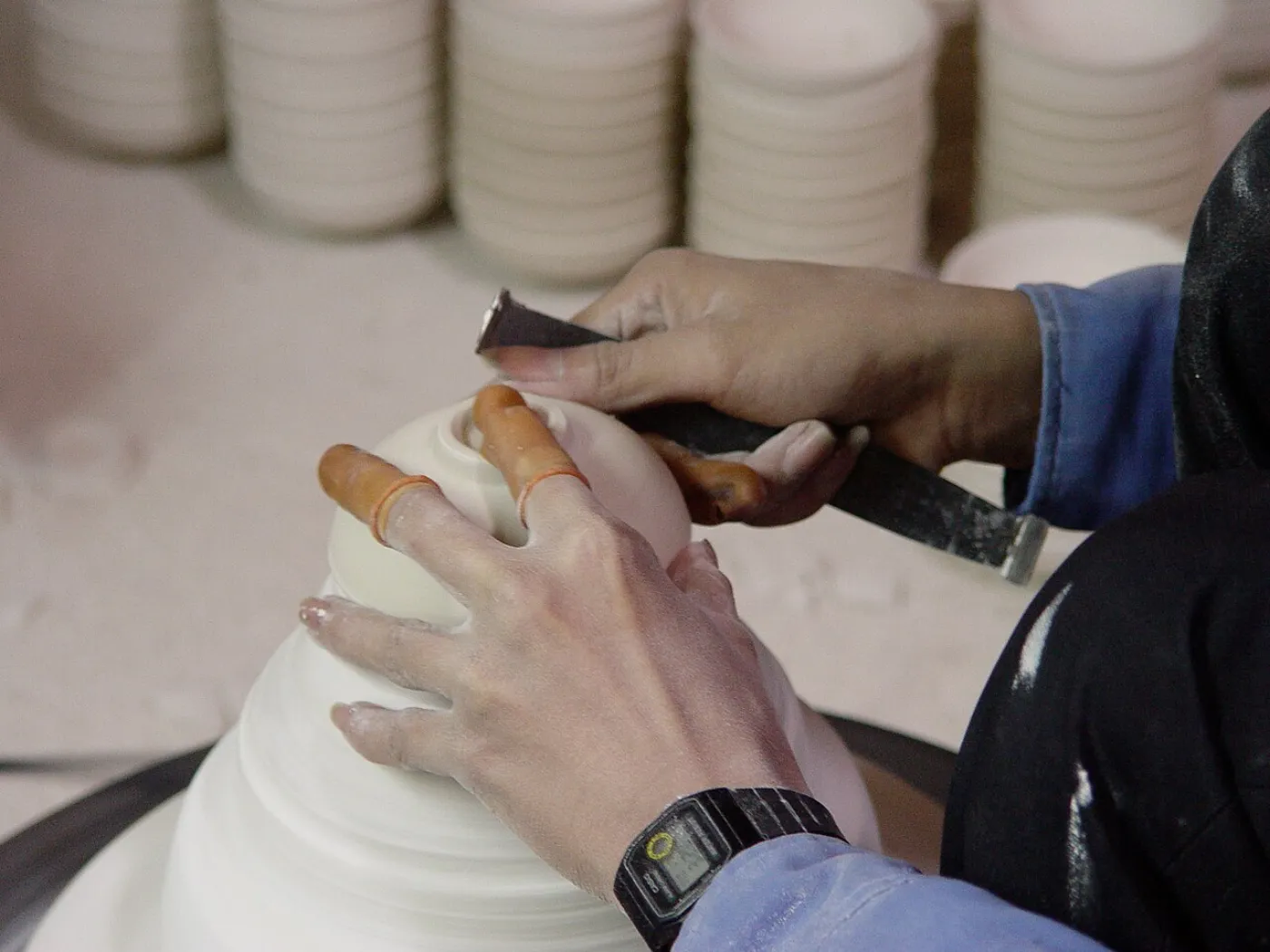
Forget buying a souvenir for a moment. What about making one yourself?
At local workshops, you can sit at a pottery wheel, place your hands on the clay and try shaping it into something of your own.
At first, the clay might wobble, lean or collapse under your fingers.
Then you start getting the feel for it.
A little pressure. A little patience. Suddenly, that lump of clay begins to resemble a bowl or cup.
It's a fun experience for couples, families and solo travellers alike.
Many workshops also offer pottery painting, allowing you to decorate a ceramic piece with your own designs.
Ask about the price, firing process and collection or delivery arrangements before starting. Some handmade pieces need additional time to dry and be fired before they're ready to take home.
If you'd rather explore with someone who knows the area, you can also discover local experiences in Hanoi with Tuna.
5.2. Watch Local Artisans at Work
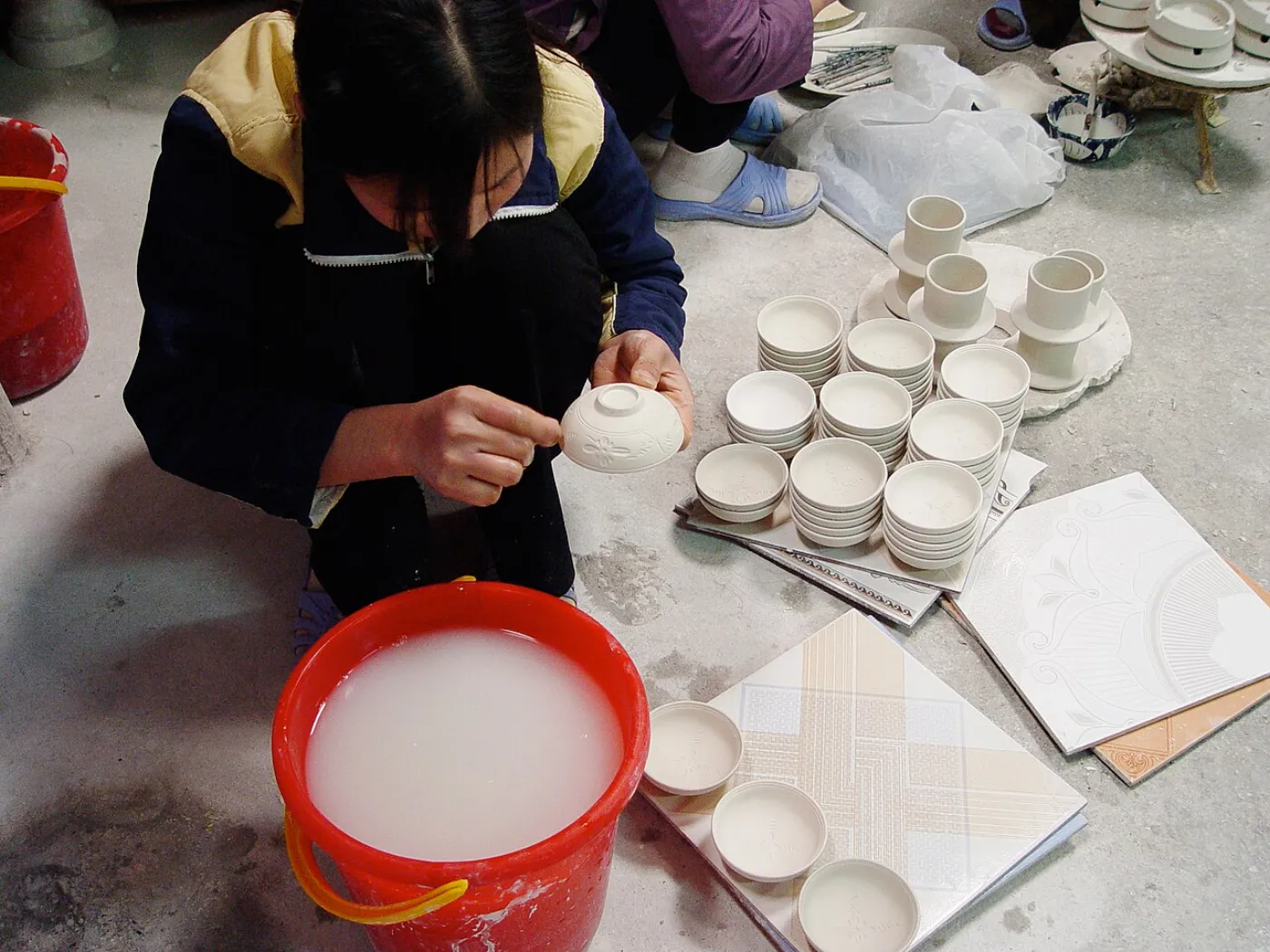
There's something fascinating about watching a skilled artisan work.
A spinning wheel, a steady pair of hands and a piece of clay gradually becoming something beautiful.
If you find a workshop where artisans are working, take a moment to observe. You may see different stages of the process, from shaping and trimming to painting and glazing.
It's a chance to appreciate just how much skill sits behind an everyday ceramic cup.
Remember to ask permission before photographing people or entering private workshop areas.
5.3. Wander Through the Old Village Lanes

This is where you can slow down and let curiosity lead the way.
Step away from the main market street and explore the smaller lanes.
You'll find traditional houses, ceramic details, little workshops and glimpses of everyday village life.
Don't just follow the crowds. Some of Bat Trang's most interesting details are tucked away from the busiest streets.
5.4. Taste a Little Local Food
After all that walking and pottery exploring, it's time for a break.
Bat Trang has local food stalls and small eateries where you can enjoy Vietnamese snacks and simple meals.
Look out for local specialities such as bánh tẻ, bánh khoai nướng and other traditional village treats.
Take a seat, try something unfamiliar and enjoy a little more of everyday life in Bat Trang.
6. Best Time to Visit Bat Trang Pottery Village
The best time to explore Bat Trang is when you have enough time to wander without rushing.
For comfortable weather, October to April is generally a pleasant period to visit Hanoi and its surrounding villages.
A few things to consider:
- Weekday mornings: A good choice if you prefer a quieter visit and want to explore workshops.
- Weekends: Expect more local visitors and a livelier market atmosphere.
- October to April: Generally cooler and more comfortable for walking.
- Summer months: Start early, bring water and prepare for Hanoi's heat and humidity.
I'd recommend arriving in the morning. You'll have time to explore the museum, browse the market, visit the old village and enjoy a pottery workshop without squeezing everything into the afternoon.
7. Important Tips Before Visiting Bat Trang
A few small details can make your trip much easier.
- Bring some cash: Not every small workshop or shop may accept cards.
- Agree on workshop prices first: Ask what's included, especially whether firing and taking your finished piece home cost extra.
- Protect fragile purchases: Ask sellers to wrap ceramics carefully, particularly if you're travelling by bus or motorbike.
- Wear comfortable shoes: You'll be walking through markets, workshops and narrow village lanes.
- Ask before taking photographs: Some workshops are private working spaces.
- Allow enough time: Half a day is a good starting point, but a full day gives you more room to explore.
8. From Bat Trang to West Lake: Discover More of Hanoi

After a day surrounded by clay, ceramics and traditional craftsmanship, why not discover another side of Hanoi?
West Lake offers a completely different atmosphere.
The busy streets give way to open water, lakeside cafés, little restaurants and neighbourhood lanes where you can slow down and enjoy the city.
Take a walk beside the lake. Find a Vietnamese coffee shop. Visit Phu Tay Ho Temple or explore the streets of Tây Hồ.
It's a lovely contrast to the creative energy of Bat Trang.
And if you're planning to spend more time discovering Hanoi, West Lake makes a wonderful neighbourhood to call home for a few days.
Explore the West Lake neighbourhood to see the temples, cafés, markets and quieter corners within easy reach of the lake.
Stay Near West Lake and Explore Hanoi at Your Own Pace ❤️

At Tuna Homestay, you'll find a welcoming place in the Tây Hồ neighbourhood, close to West Lake and its cafés, restaurants and local experiences.
Spend the day discovering Hanoi's craft villages, temples and hidden corners. Return to a comfortable place where you can relax and plan your next adventure.
Come for the discoveries. Stay for the feeling of being at home.
Frequently Asked Questions About Bat Trang Pottery Village
Is Bat Trang Pottery Village worth visiting?
Absolutely. It's one of the most interesting craft villages near Hanoi, combining traditional pottery, local workshops, a ceramics market and opportunities to try making your own pieces.
How long should I spend in Bat Trang?
Allow around half a day for the main attractions. If you'd like to visit the museum, explore the old village and join a pottery workshop, a full day gives you more flexibility.
Is there an entrance fee for Bat Trang Pottery Village?
No general entrance ticket is required to explore the village or its ceramic market. Museums, workshops and certain other attractions charge separate fees.
Can tourists make pottery in Bat Trang?
Yes. Several workshops offer pottery-making and painting experiences. Confirm the price and whether firing and collection are included before starting.
How far is Bat Trang from Hanoi Old Quarter?
Bat Trang is approximately 13 to 15 kilometres southeast of the Old Quarter. Travel usually takes around 30 to 45 minutes by car, depending on traffic.
What is the best time to visit Bat Trang?
October to April generally offers more comfortable weather. Weekday mornings are a good choice if you'd prefer a quieter visit and more time to explore local workshops.