
There's an ancient temple hiding in one of Hanoi's busiest streets. And its story begins with a mysterious white horse.
At first, Bach Ma Temple can be easy to overlook. Shopfronts, cafés and the constant movement of the Old Quarter surround its entrance. Step inside, however, and the atmosphere changes. Incense rises above the altars, old wooden columns frame the halls and a white horse statue stands at the heart of a legend that helped shape Hanoi itself.
This is Bach Ma Temple, one of the Four Guardian Temples of ancient Thăng Long.
And once you know what to look for, there's much more to discover than its famous horse.
1. The Legend of the White Horse: Why Bach Ma Temple Is So Important
What does a white horse have to do with the creation of Hanoi?
The answer takes us back to 1010, when King Lý Thái Tổ moved the capital of Đại Việt to Thăng Long, the city we now know as Hanoi.
According to local legend, the king struggled to build a strong defensive wall around his new capital. The walls repeatedly collapsed, no matter how hard the builders tried.
Then something extraordinary happened.
A white horse appeared from the temple of Long Đỗ, ran through the area and left its hoofprints across the ground. The king interpreted these tracks as a divine sign, showing him where the citadel walls should be built.
He followed the horse's path, and the walls finally stood firm.
The temple became known as Bạch Mã, meaning White Horse, and the deity Long Đỗ was honoured as the guardian spirit of ancient Thăng Long.
Today, the temple remains one of the city's Four Guardian Temples, protecting the eastern side of the old capital.
It's a fascinating story to keep in mind as you step inside. You're not just visiting an old building. You're entering a place closely connected to the legends surrounding Hanoi's beginnings.
2. Where Is Bach Ma Temple?
Right in the middle of the Old Quarter, hiding in plain sight.
Bach Ma Temple is located at 76 Hàng Buồm Street, Hoàn Kiếm, Hanoi.
It's an easy stop while exploring the Old Quarter, particularly if you're visiting Đồng Xuân Market, Ô Quan Chưởng Gate or the streets around Hàng Mã.
You can reach it on foot from Hoàn Kiếm Lake in approximately 10 to 15 minutes.
The entrance opens directly onto Hàng Buồm Street, but the temple complex extends deep behind its street-facing entrance. This narrow layout is part of what makes the place feel like such an unexpected discovery.
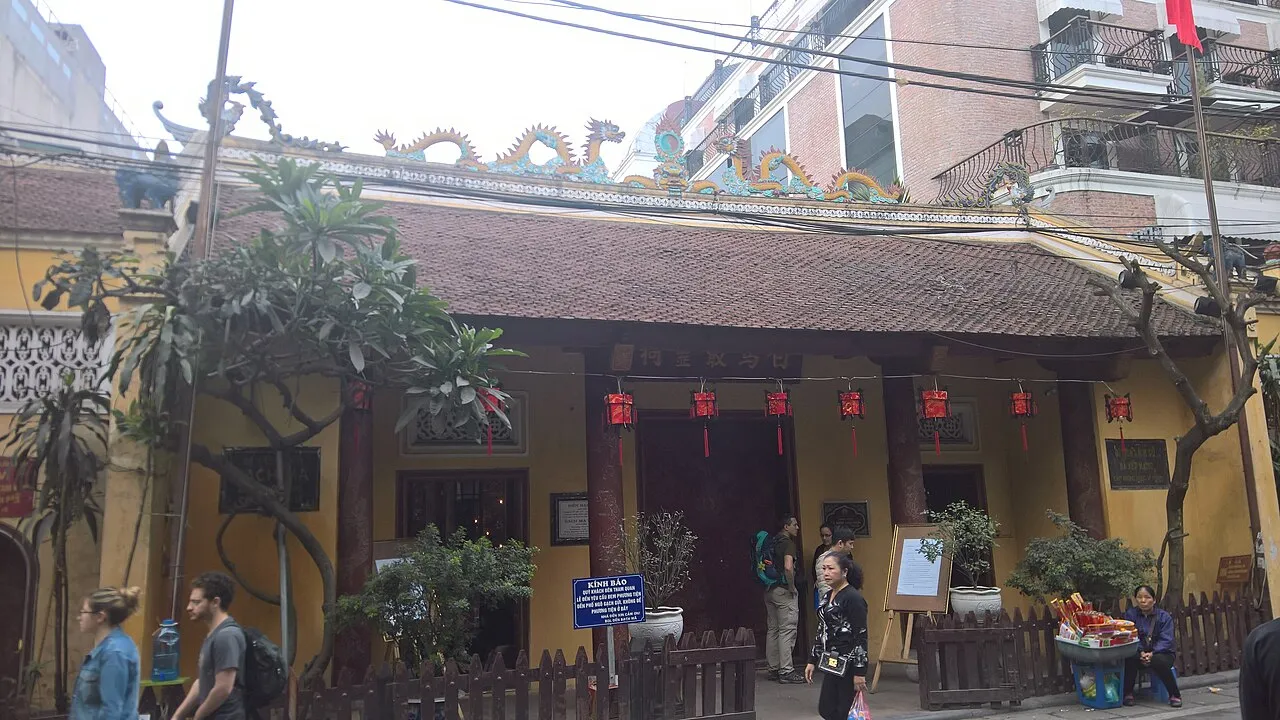
Our tip: Don't rush past the entrance. Look carefully for the temple gate and give yourself a moment to step away from the busy street.
3. Opening Hours and Entrance Fees
Before you visit, it's worth knowing that Bach Ma Temple has a midday break.
| Visitor information | Details |
|---|---|
| Address | 76 Hàng Buồm Street, Hanoi |
| Opening hours | 8:00 AM to 12:00 PM, 1:30 PM to 5:30 PM |
| Additional evening hours | 7:00 PM to 9:00 PM, Friday to Sunday |
| Entrance fee | 20,000 VND per person |
| Recommended visit | 15 to 30 minutes |
These are the latest published visitor details available, but opening hours and fees can change around festivals and public holidays. Check the notice at the entrance before planning your visit.
You don't need to reserve a ticket in advance for a normal visit.
4. What to See Inside Bach Ma Temple: 5 Details Worth Discovering
The temple isn't particularly large, but look beyond the main altar and you'll find some fascinating architectural and historical details.
Here's what to look for.
4.1. The White Horse Statue 🐴
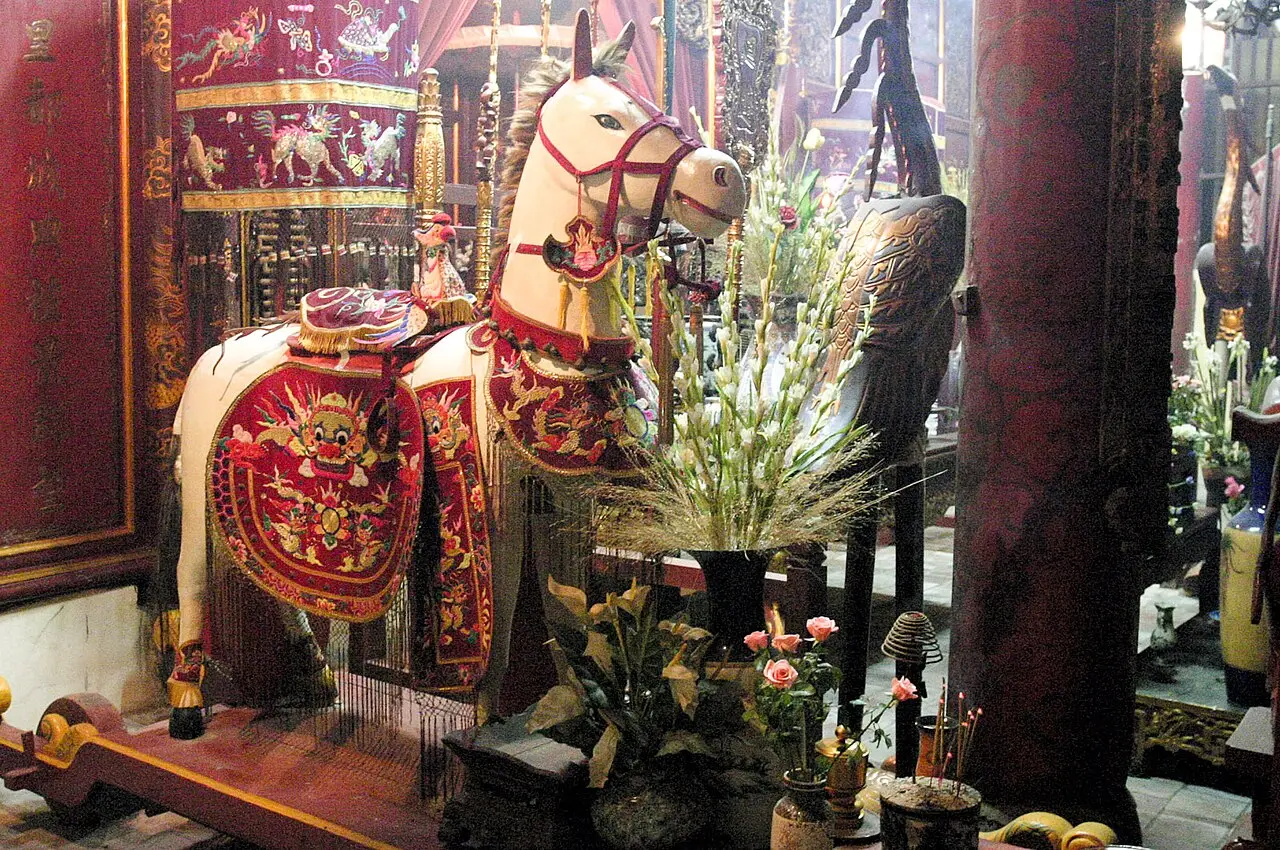
The horse that started the legend is still here.
Inside the temple, you'll find a large wooden statue of the white horse, representing the guardian deity associated with the founding of Thăng Long.
Take a moment to look at the statue and remember the story behind it.
It's easy to see why this became the temple's defining symbol. The horse represents divine guidance, protection and the origins of the ancient capital.
4.2. The Unusual Crab-Shell Roofs
Look upwards.
One of Bach Ma Temple's most distinctive architectural features is its crab-shell-shaped roof structure.
The curved roof sections connect different parts of the temple, creating an unusual flow between its halls and worship spaces.
The design is particularly interesting when you notice how the wooden beams and supporting structures fit together.
It's a detail you could easily miss if you spend your entire visit looking at the altars.
4.3. The Indoor Incense Burner and Worship Hall
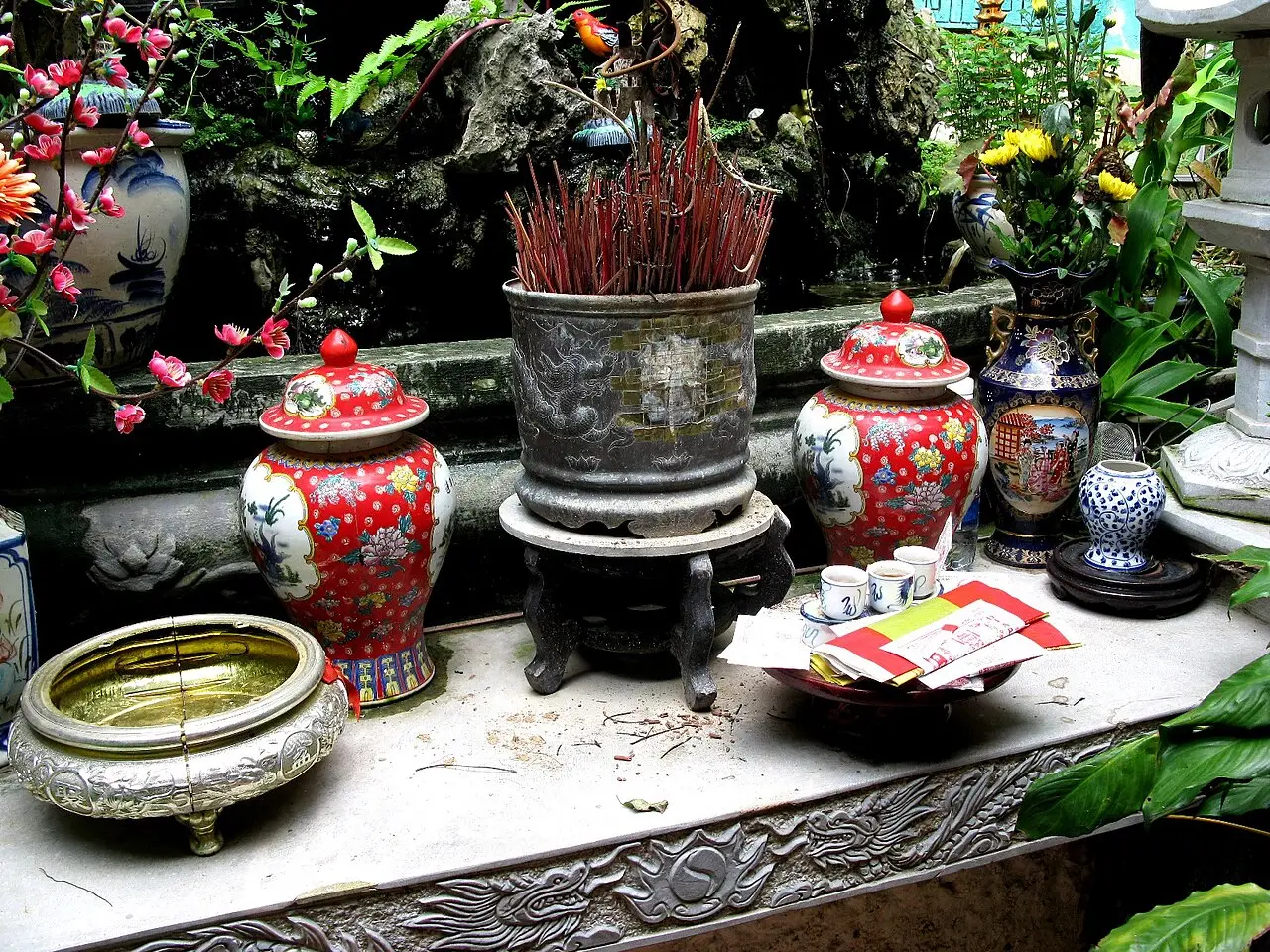
The scent of incense is one of the first things you'll notice inside.
The incense-offering hall connects the main worship spaces and creates a transition between the outer areas and the inner sanctuary.
At the centre, you'll find the large incense burner beneath the distinctive roof structure.
Watch how local visitors approach the altar, make their offerings and pause for prayer.
This is an active place of worship, not simply a historical attraction. Keep your voice low and allow people to practise their traditions without interruption.
4.4. The Statues, Altars and Intricate Decorations
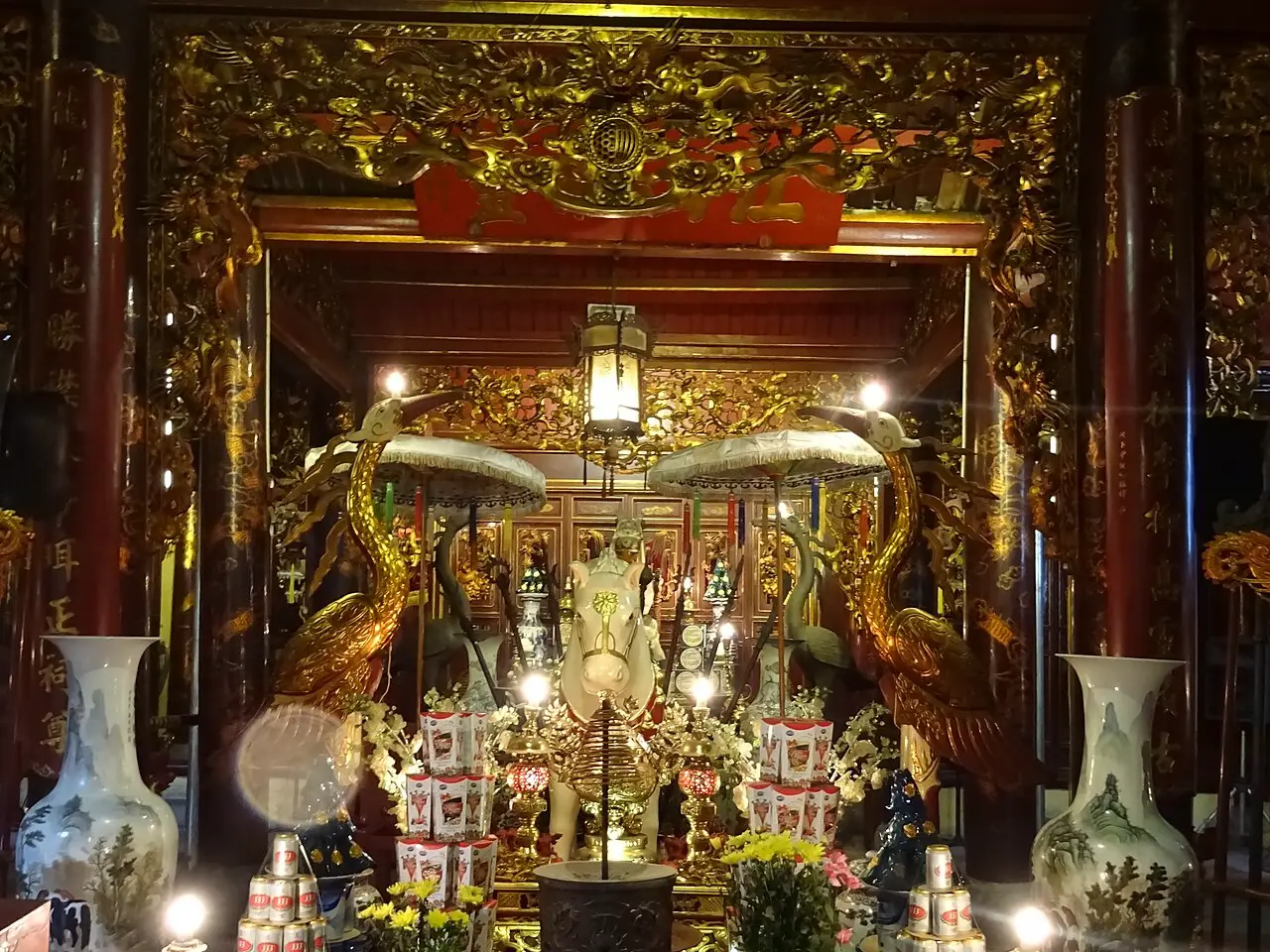
The temple's interior is filled with details worth taking your time over.
Look for the red-and-gold lacquered altars, carved wooden decorations, statues and traditional ceremonial objects.
The colours are rich and dramatic, particularly against the darker wooden framework.
You'll also notice offerings arranged around the worship spaces, reflecting the temple's continuing role in local spiritual life.
4.5. Ancient Stone Steles and Historical Artifacts
Some of the temple's most valuable treasures aren't immediately obvious.
Bach Ma preserves historic stone steles, royal decrees and ceremonial objects connected to its long history.
The stone inscriptions record repairs and important events in the temple's development. They offer clues about how the building changed through different dynasties.
Even if you can't read the inscriptions, take a moment to appreciate their age and significance.
5. The Atmosphere: A Quiet Temple Behind a Busy Street
Perhaps the most memorable part of Bach Ma Temple isn't something you can put on a checklist.
It's the contrast.
Outside, Hàng Buồm Street is full of movement, conversations, shopfronts and motorbikes. Inside, the atmosphere feels slower. Incense drifts through the halls, visitors pray quietly and the old wooden architecture creates a sense of separation from the streets beyond.
Some visitors are surprised by how easily the temple can be missed from the street. Others remember the atmosphere, especially when traditional music and ceremonial activities are taking place.
If you're lucky enough to visit during a ceremony, you may experience a side of the temple that a quick sightseeing stop cannot capture.
The temple festival takes place on the 12th and 13th days of the second lunar month. Dates change each year, so check the Vietnamese lunar calendar before planning around it.
6. Essential Tips for Visiting Bach Ma Temple
A few simple things will help you enjoy your visit while respecting the temple.
- Dress respectfully: Cover your shoulders and knees when entering the worship areas.
- Keep your voice low: People come here to pray, so avoid loud conversations.
- Don't touch the altars: Leave offerings, statues and ceremonial objects undisturbed.
- Ask before taking photographs: Be especially considerate when people are worshipping.
- Check the opening hours: Remember the midday closure.
- Allow 15 to 30 minutes: It's a small temple, but the details are worth slowing down for.
- Visit during a quieter period: A weekday morning is a good choice if you prefer a calmer atmosphere.
7. What Else Can You Explore Near Bach Ma Temple?
One of the best things about Bach Ma Temple is its location.
You don't need to travel across Hanoi to find your next discovery. Several interesting places are just a short walk away.
If you'd like to explore the Old Quarter with someone who knows its stories, discover local experiences in Hanoi with Tuna.
7.1. Ô Quan Chưởng Gate
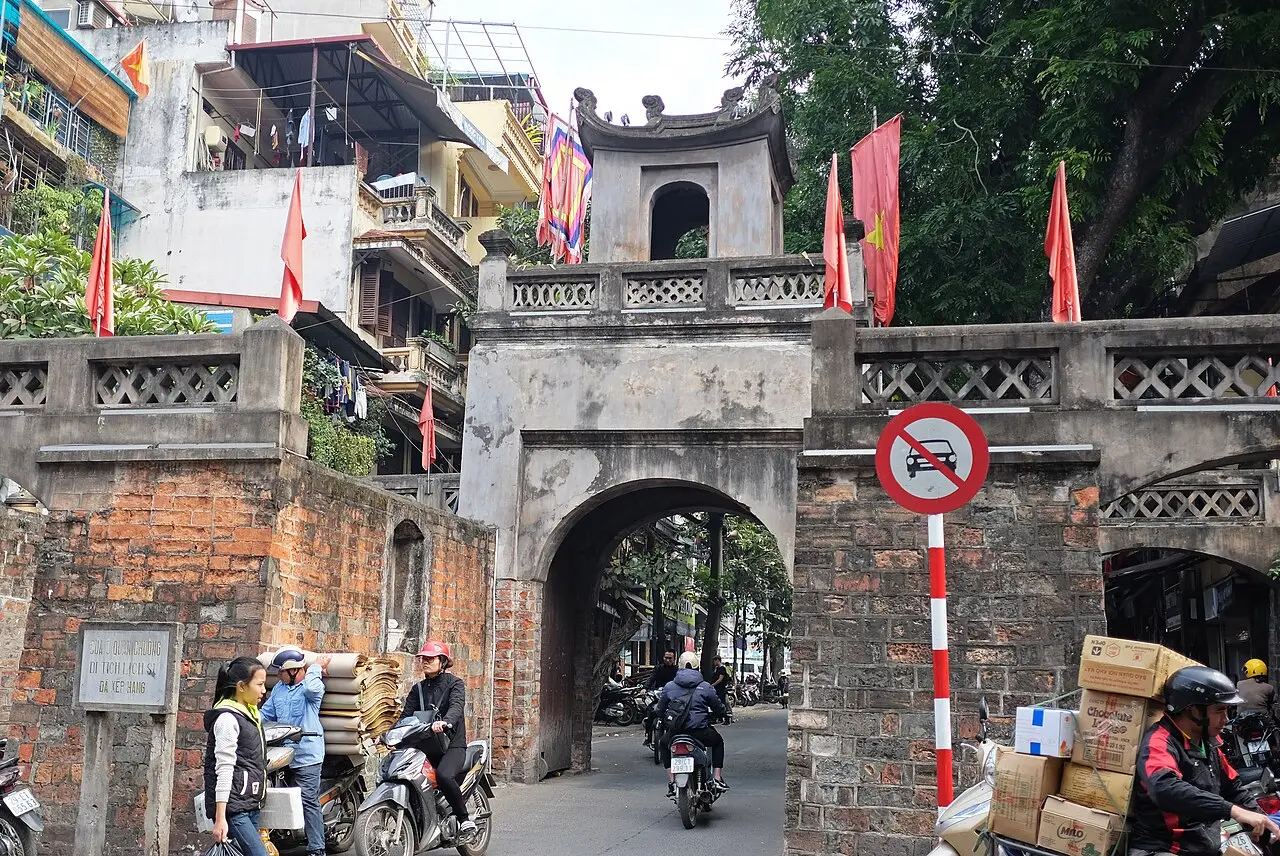
A short walk from the temple, Ô Quan Chưởng is one of the last surviving historic city gates of Hanoi.
Its old brickwork and traditional architecture offer a glimpse of the city's former defensive walls.
It's an excellent stop if you're interested in the history of Thăng Long.
7.2. Đồng Xuân Market
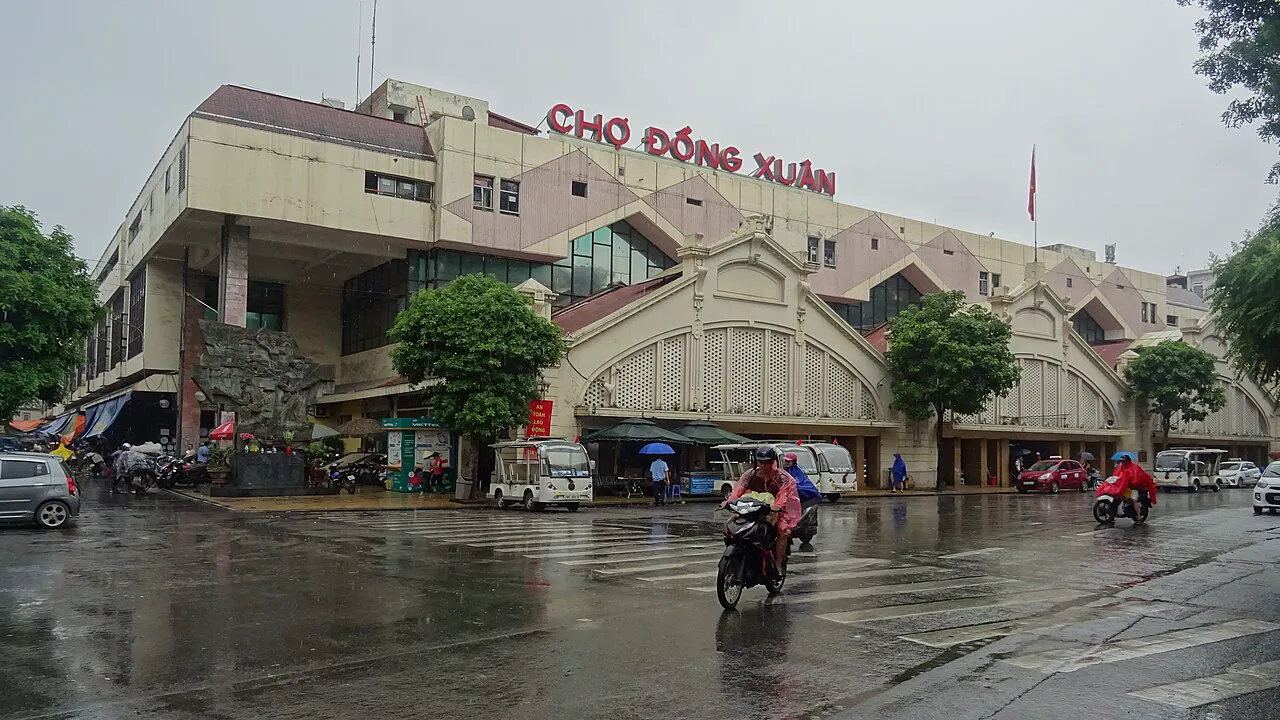
Ready to swap quiet temple halls for the energy of a traditional market?
Đồng Xuân Market is one of Hanoi's best-known markets, filled with clothing, household goods, souvenirs and local products.
Explore the stalls, browse the surrounding streets and try some local food nearby.
7.3. Hàng Mã Street
If you're visiting around a Vietnamese festival, don't miss Hàng Mã Street.
It's famous for its colourful decorations, lanterns, paper offerings and festive displays.
Even outside festival periods, it's an interesting street to explore and photograph.
For temples, markets and craft villages elsewhere in the city, browse more Hanoi travel guides.
8. Continue Your Hanoi Discovery at West Lake
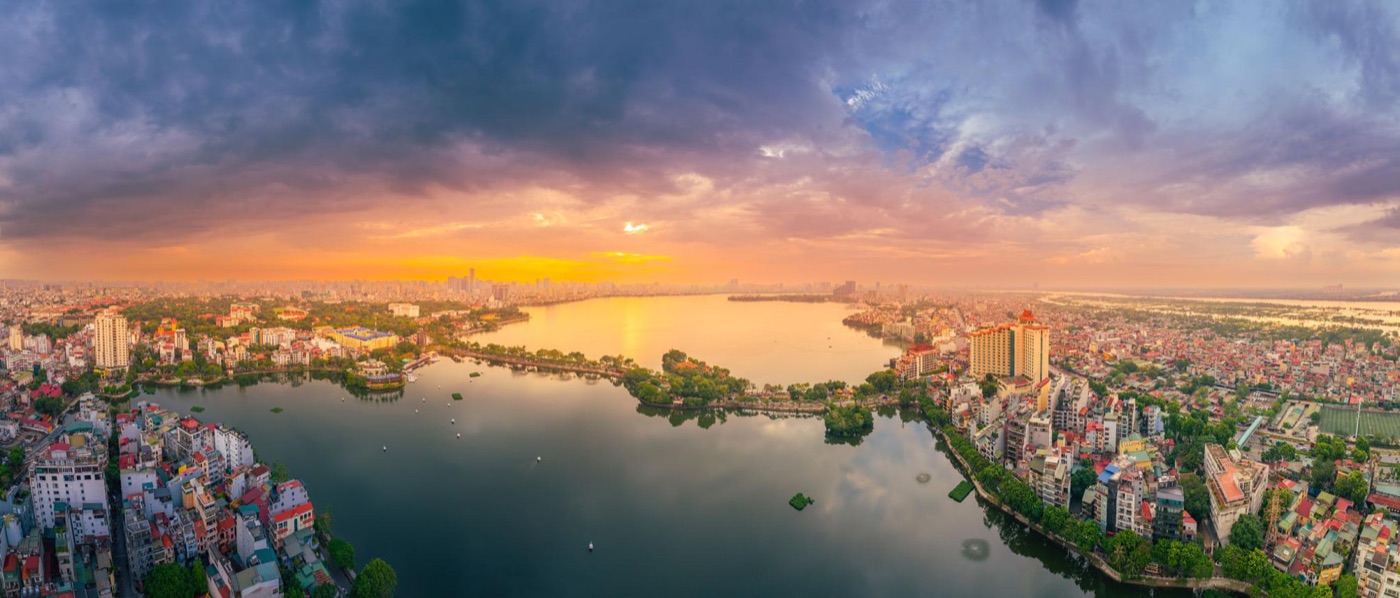
After exploring the ancient streets and temples of the Old Quarter, head towards West Lake for a different side of Hanoi.
The atmosphere changes.
The narrow streets give way to open lakeside views, cafés overlooking the water and neighbourhood lanes where you can slow down and enjoy the city.
Visit Phủ Tây Hồ, find a little Vietnamese coffee shop or take a walk beside the lake as the sun begins to set.
The Old Quarter tells you stories about Hanoi's past. West Lake gives you a chance to experience its everyday life.
Explore the West Lake neighbourhood for lakeside cafés, local restaurants and quiet streets beyond the Old Quarter.
Stay Near West Lake and Discover Hanoi at Your Own Pace ❤️
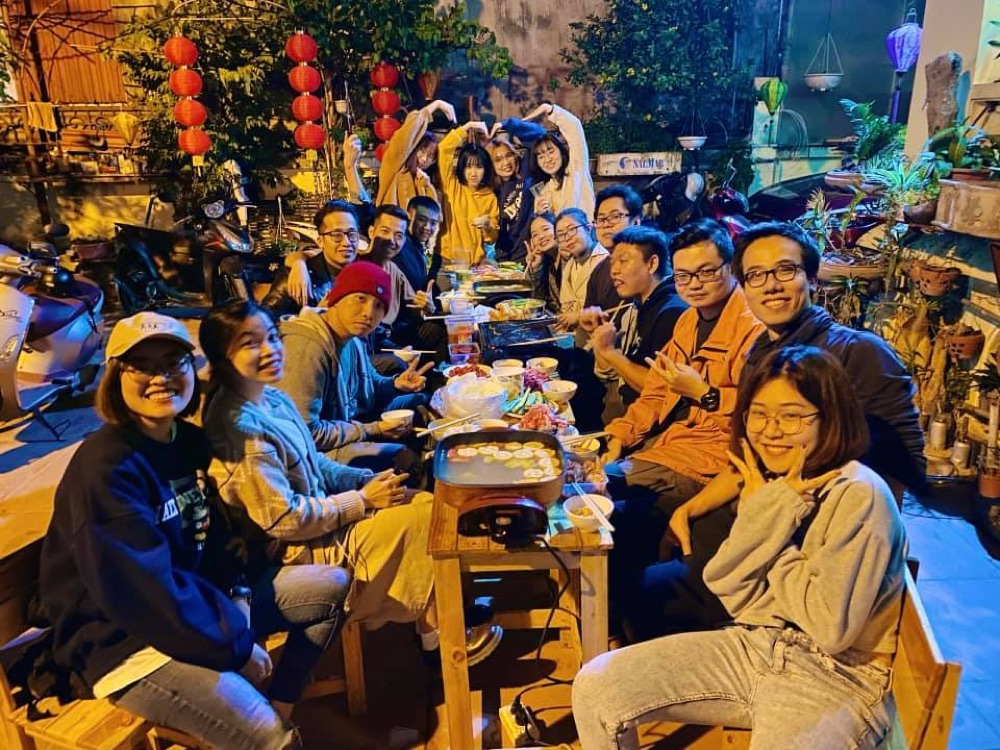
At Tuna Homestay, you'll find a welcoming place in Tây Hồ, close to West Lake and its cafés, restaurants and local neighbourhood experiences.
Spend your days discovering Hanoi's temples, markets and hidden corners. Then return somewhere comfortable to relax and plan the next adventure.
Explore the city. Discover the local side of Hanoi. Feel at home at Tuna.
Frequently Asked Questions About Bach Ma Temple
Why is Bach Ma Temple famous?
Bach Ma Temple is famous for its white horse legend and its role as one of the Four Guardian Temples of ancient Thăng Long. It is dedicated to Long Đỗ, the guardian deity associated with Hanoi.
Where is Bach Ma Temple located?
It's located at 76 Hàng Buồm Street in Hanoi's Old Quarter, within walking distance of Đồng Xuân Market and Ô Quan Chưởng Gate.
Is Bach Ma Temple worth visiting?
Yes, particularly if you enjoy Vietnamese history, traditional architecture and local spiritual culture. It's a small but fascinating temple that makes a good stop during an Old Quarter walking tour.
How much does it cost to enter Bach Ma Temple?
The latest published entrance fee is 20,000 VND per person. Confirm the price at the entrance before visiting.
How long should I spend at Bach Ma Temple?
Around 15 to 30 minutes is enough for a general visit. Allow extra time if you're interested in the architecture, historical artifacts or observing a religious ceremony.
Can visitors take photographs inside Bach Ma Temple?
Photography may be possible in some areas, but restrictions can apply. Ask permission and avoid photographing people during prayer without their consent.
What is the best time to visit Bach Ma Temple?
Weekday mornings are a good choice for a quieter experience. Check the opening schedule, as the temple closes around midday before reopening in the afternoon.