
A comfortable bed is easy to find in Hanoi. A place you actually look forward to coming home to? That’s worth discovering.
Imagine waking up in Vietnam.
Outside, a motorbike hums past. Freshly brewed Vietnamese coffee drifts through the morning air, and a tiny neighbourhood café down the lane is already filling up with locals on plastic stools.
You’ve got a full day ahead — maybe exploring the Old Quarter, hunting down smoky bún chả, or walking beside West Lake.
When you searched for a bed and breakfast in Hanoi, you probably weren’t looking for another cookie-cutter hotel. You wanted warmth, character, and an easy start to the morning.
In Hanoi, however, the labels on booking sites blur together. Hotels, B&Bs, guesthouses and homestays can look similar online — until you arrive and realise how differently they feel.
Here’s how to tell them apart, and why the stay you’re picturing might be a homestay near West Lake.
Hotel, B&B, Guesthouse, or Homestay: What’s the Difference?
In Vietnam, a listing label doesn’t always tell the full story. Some homestays are self-check-in apartments, while some guesthouses feel like family homes — and breakfast may cost extra whatever the property calls itself.
Look at what each type usually offers:
| Accommodation | What to expect | May suit |
|---|---|---|
| Hotel | Private rooms and structured services; facilities depend on the property. | Travellers who value privacy and predictable services. |
| Bed & Breakfast | A smaller lodging where breakfast may be part of the stay or an optional extra. | Travellers who want a personal-scale stay and an easy morning meal. |
| Guesthouse | Simple rooms and fewer shared facilities; exact setup varies. | Travellers who want a practical base between outings. |
| Homestay | A home-style property with local character; rooms may be private or shared. | Travellers looking for shared spaces, host interaction or neighbourhood atmosphere. |
None is automatically better. The useful question is: do you want a private hotel room, or a smaller-scale stay that feels more like a home? Then check the actual room type and meal details rather than relying on the label.
If “family homestay” is what you’re searching for, our guide explains both meanings of the phrase: a locally hosted stay and accommodation for families with children.
1. Hotels: Familiar Comfort in a Busy City
After a long flight and hours navigating Hanoi’s traffic, a conventional hotel has obvious appeal: a private room, a clear check-in process and services that may be available around the clock.
- Choose a hotel if: you want privacy, a front desk or specific facilities.
- Check before booking: room photos, window and bathroom setup, breakfast terms and any extra fees.
2. Bed and Breakfasts: A Cosier Start to the Day
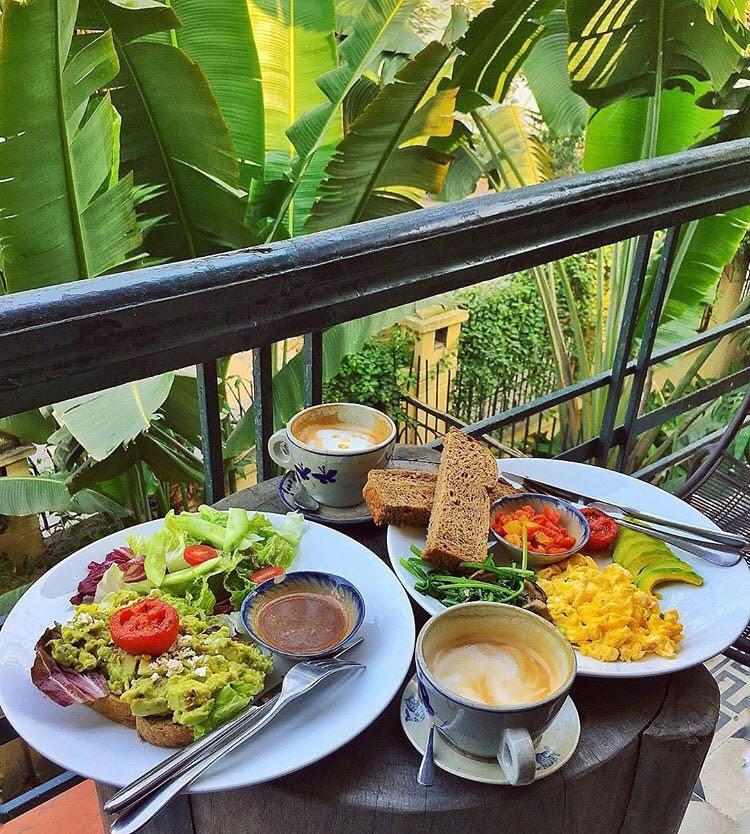
The appeal of a traditional B&B is waking up without having to figure out breakfast first: coffee and a morning meal, then head out to explore.
- Choose a B&B if: you want a smaller property and breakfast arranged for you.
- Check before booking: whether breakfast is included in your exact room rate, when it is served and what the menu covers.
Don’t assume that “bed and breakfast” guarantees a full breakfast. Read the rate details and ask if anything is unclear.
3. Guesthouses: Simple and Practical
If you spend most of the day exploring and mainly need a clean place to sleep, a guesthouse may be a straightforward option without facilities you won’t use.
- Choose a guesthouse if: you want a practical base and a simpler stay.
- Check before booking: air conditioning, bathroom type, natural light and recent cleanliness reviews.
4. Homestays: When Where You Stay Becomes Part of the Trip
Now picture something slightly different.
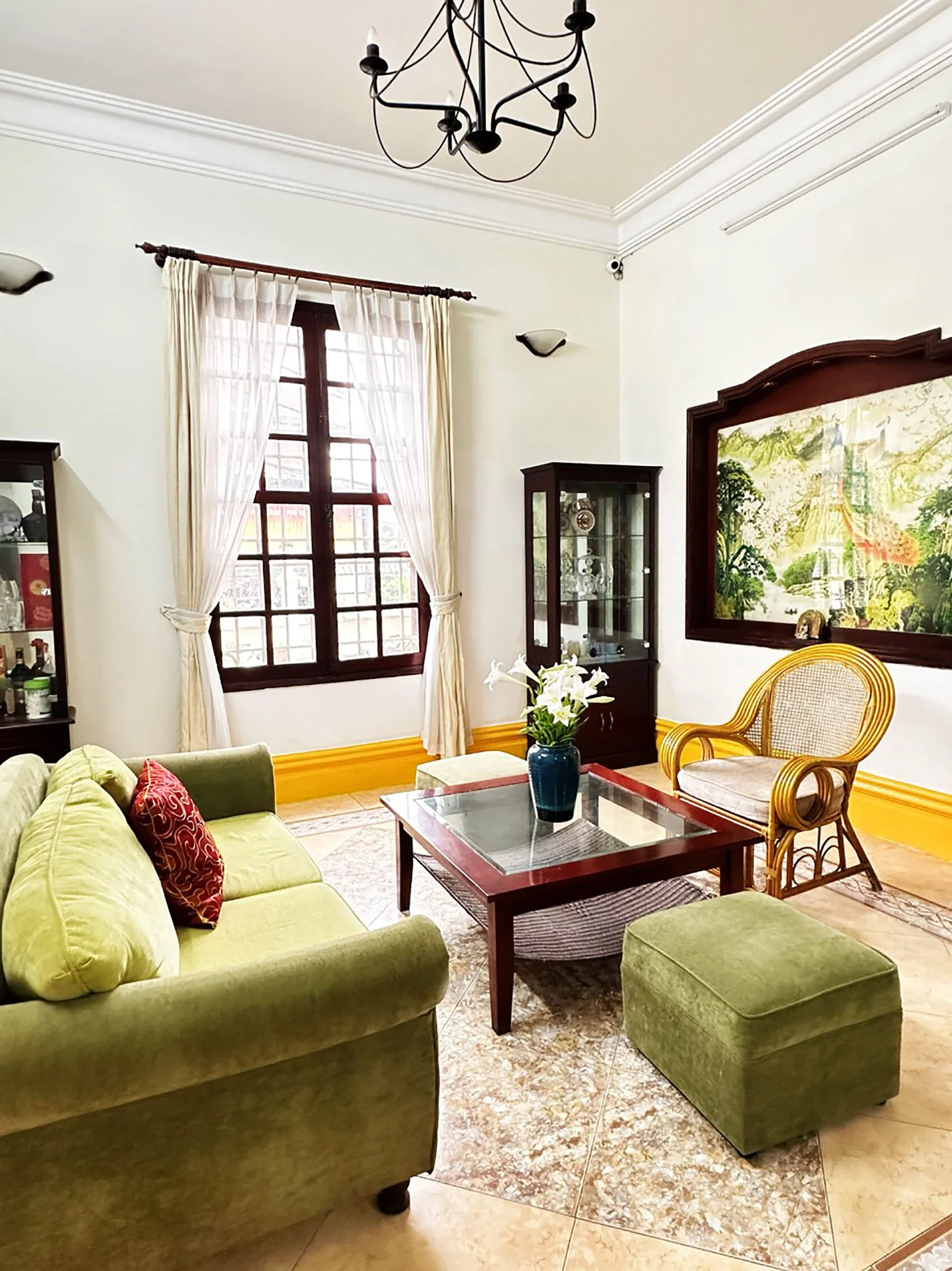
You finish a big day in Hanoi. Instead of walking through a hotel lobby, you step into a shared lounge or courtyard, unwind for a while, and perhaps ask your host for a nearby dinner tip.
A homestay can offer a personal setting and local character while leaving you independent. But the details vary: check whether your room is private or shared, what spaces guests share and whether the host is on site.
- Choose a homestay if: you like smaller spaces, neighbourhoods and shared common areas.
- Check before booking: room privacy, bathroom setup, breakfast terms and house rules.
Where Should You Stay in Hanoi?

The type of stay matters — but the neighbourhood shapes your whole trip.
- Old Quarter: historic lanes, street food and nightlife. Convenient for short visits, but busy streets and late activity are part of the experience.
- Hoàn Kiếm: central and walkable, close to the lake and French Quarter. Convenient, with rates and noise varying by street.
- Tây Hồ (West Lake): a more residential neighbourhood around the lake, with cafés and lakeside paths. You’ll travel into the centre for many sights; journey times depend on traffic and destination.
If you’re choosing between the Old Quarter and the lake, read our wider guide to where to stay in Hanoi for your first visit.
A Little Home Near West Lake: Discover Tuna Homestay ❤️

If you came searching for a Hanoi B&B because you wanted warmth, comfort and local character — not a generic hotel — there’s a place tucked away in Tây Hồ worth comparing.
Tuna Homestay & Tours is in a residential alley off Lạc Long Quân, about a two-minute walk from West Lake. The French-style family home has shared dorm rooms, fast Wi-Fi, common spaces and a courtyard garden.
An honest note on rooms and breakfast
Tuna is a homestay, not a traditional fixed-breakfast B&B. Food and drinks can be ordered at the property; whether breakfast is included depends on the room rate you select. The rooms currently listed are shared dormitories. One mixed dorm has a private bathroom, but it is still a shared room. Check the room and rate details before booking.
Lakeside paths, cafés and neighbourhood eateries are close by. If you want to explore beyond Hanoi, Tuna also lists trips to Ninh Binh, Ha Long Bay and northern Vietnam — compare the itineraries and terms for each trip.
7 Things to Check Before Booking a B&B or Homestay in Hanoi
- Confirm what the rate includes. Check breakfast, taxes and service fees for your specific dates.
- Verify private versus shared rooms. Make sure the room type matches what you expect.
- Check air conditioning. Confirm it’s in the room and included in the rate.
- Look at bathroom details. Confirm whether it’s en-suite or shared, and read the room description.
- Pin the exact street. A quiet lane near West Lake feels different from a busy main road.
- Sort reviews by “Most recent.” Look for comments on noise, beds and host communication.
- Ask whether you’d enjoy the shared spaces. Choose somewhere you’ll be comfortable returning to.
Frequently Asked Questions
Is a bed and breakfast cheaper than a hotel in Hanoi?
Not always. Rates depend on neighbourhood, room type, dates and what’s included. Compare the final checkout price — including taxes and breakfast — rather than the category label.
What’s the difference between a homestay and a B&B in Hanoi?
A traditional B&B usually centres on lodging plus a morning breakfast. A homestay generally suggests a home-style setting, but room privacy, shared spaces and breakfast arrangements vary by property. Check the actual listing.
Is breakfast included at Tuna Homestay?
Food can be ordered at the property. Whether breakfast is included depends on the room rate you book, so check the rate details before confirming.
Are Hanoi homestays good for first-time visitors?
They can be, especially if you want a smaller-scale stay and local tips. Check the address, room type, reviews and booking terms to make sure the property fits your plans.
Is West Lake a good area to stay in Hanoi?
It can suit travellers who enjoy lakeside walks, independent cafés and a residential setting. If you want to walk to Old Quarter sights, a more central base may fit better.
Maybe You Weren’t Looking for Another Hotel After All
You came to Hanoi to experience something real — street-corner coffee, hidden lanes and moments you didn’t plan. Maybe where you stay should feel personal too.
If a shared dorm and a neighbourhood base near West Lake sound right for your trip, compare Tuna’s rooms, meal details and current rates before you book.
Still comparing by price? Read our cheap hotels in Hanoi guide for tips on comparing total costs, location and room details.
Come explore Hanoi. Find a little home along the way.